

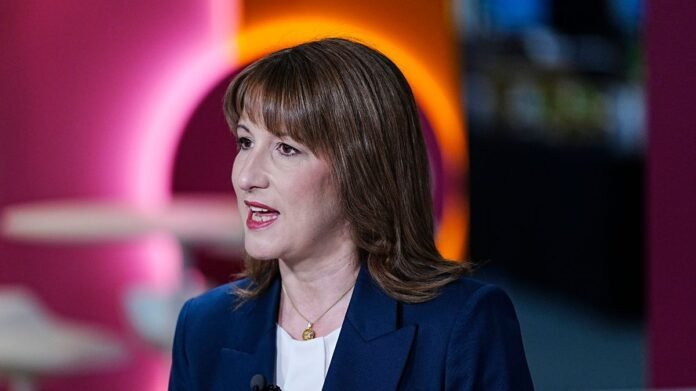

Rachel Reeves has hinted at the possibility of tax increases in the upcoming Budget. The Chancellor refrained from reiterating her previous assurance that there would be no additional tax burdens, acknowledging the challenge of financial equilibrium. This revelation coincides with Ms. Reeves’ efforts to manage financial constraints in the pivotal November Budget.
Addressing queries about potential VAT hikes, she emphasized her commitment to avoiding augmenting crucial taxes for the workforce. Ms. Reeves reaffirmed the Labour Party’s stance outlined in the manifesto to abstain from heightening VAT, National Insurance, and income tax for working individuals.
In response to VAT speculations, she underscored the manifesto’s significance in light of the economic hardships endured by the populace. Ms. Reeves stressed the government’s dedication to enhancing the financial well-being of the working class and preserving the outlined tax commitments.
When pressed about a potential VAT increase, she emphasized the manifesto’s enduring relevance and rationale. Ms. Reeves declined to explicitly rule out a VAT adjustment, citing the need to consider the manifesto comprehensively before the budget, avoiding detailed discussions prematurely.
Furthermore, Ms. Reeves faced queries regarding the controversial two-child benefit restriction, a topic many Labour MPs advocate for abolishing. She emphasized the importance of the Budget in addressing such issues, highlighting her personal commitment to alleviating child poverty through various initiatives aimed at improving children’s prospects.
Expressing determination to combat child poverty while ensuring fiscal responsibility, she conveyed her dedication to upholding trust and financial integrity. Ms. Reeves emphasized the need for prudent economic planning to achieve the dual objectives of poverty reduction and financial accountability.