


Political movements in the digital age heavily rely on social media platforms like Instagram and TikTok to gain traction and influence public opinion.
The recent New York Mayoral election exemplified this trend, with individuals from diverse locations, such as an Irish woman in London, actively engaging with Zohran Mamdani’s campaign via Instagram stories.
Social media has proven to be a powerful tool for shaping public sentiment, with figures like Nigel Farage adept at crafting easily shareable content that resonates with their followers.
A recent report by the charity Demos delved into the perspectives of young individuals, revealing that mainstream politicians often struggle to effectively connect with this demographic. While Nigel Farage garners admiration for his social media presence and candid communication style, Keir Starmer is perceived as lacking visibility rather than being actively disliked.
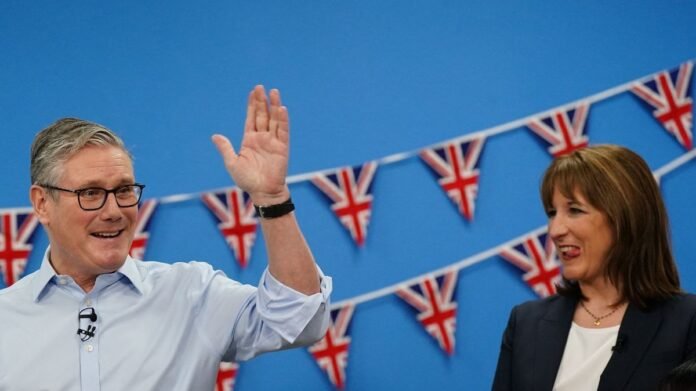
Prime Minister Keir Starmer has recently ventured into the realm of TikTok, signaling a strategic move to engage with Generation Z. His initial TikTok video, featuring a festive scene at 10 Downing Street, has already attracted a significant following, albeit trailing behind Nigel Farage’s substantial TikTok audience.
The Demos report highlights the increasing significance of platforms like TikTok in shaping the political landscape, as they serve as primary sources of news consumption for many young individuals who find traditional media outlets outdated and disconnected from their realities.
To effectively appeal to young voters, political representatives must inject their social media presence with humor, freshness, and authenticity. Establishing a relatable online persona is crucial, as it plays a pivotal role in shaping individuals’ political identities even before policy discussions come into play.
As the political arena increasingly shifts towards digital spaces, the ability to create engaging and meme-worthy content is becoming a key determinant of success. Labour’s foray into TikTok, though met with some initial skepticism, underscores the party’s recognition of the importance of social media in modern political campaigns.
While Labour faces a challenging road ahead in the realm of social media, their proactive engagement signifies a willingness to adapt to evolving communication trends, even if it comes slightly later than anticipated.