

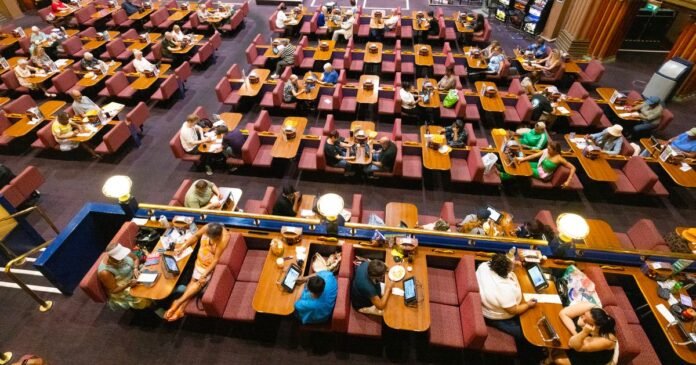

Bingo halls are being hailed as a solution to the “loneliness epidemic” by the head of the UK’s largest chain. Dominic Mansour, the CEO of Buzz Bingo (formerly Gala), emphasized that bingo is more than just a game of numbers – it fosters community, connection, and offers a safe space for social interaction.
However, there has been a significant decrease in the number of bingo halls nationwide. Buzz Bingo, which previously had 137 locations, now operates only 79 sites due to the impact of the Covid pandemic, resulting in lower attendance numbers. Overall, the industry has seen a drop from 335 bingo halls pre-Covid to 247 currently, compared to around 635 establishments before the smoking ban in 2007.
Mr. Mansour described their venues as a crucial part of the community but acknowledged the challenges faced by the sector in recent years. A survey revealed that nearly half of bingo players felt lonely before attending, with a majority leaving feeling more connected and less lonely.
Statistics from 2022 indicated that around 26 million UK adults experience occasional to chronic loneliness. Mr. Mansour emphasized the role of bingo in combating isolation and supporting mental well-being in light of this “loneliness pandemic.”
Despite the popularity of bingo among older individuals, Buzz Bingo is striving to attract younger players. Mr. Mansour highlighted the company’s financial struggles, with many venues in need of renovations to stay competitive in the market.
The Bingo Association’s CEO, Miles Baron, noted that while winning money is a significant draw for players, socializing with family and friends is a close second. Economic challenges, including increased national insurance and minimum wage costs, have impacted operators’ profits.
There are speculations about potential tax increases on gambling in the upcoming Budget, with considerations to focus on online gambling companies. However, Mr. Mansour expressed concerns about the impact of higher taxes on bingo halls, emphasizing the importance of investment for the industry’s sustainability.
In response to inquiries about the potential consequences of significant tax hikes, Mr. Mansour expressed doubts about the continued viability of their operations.