

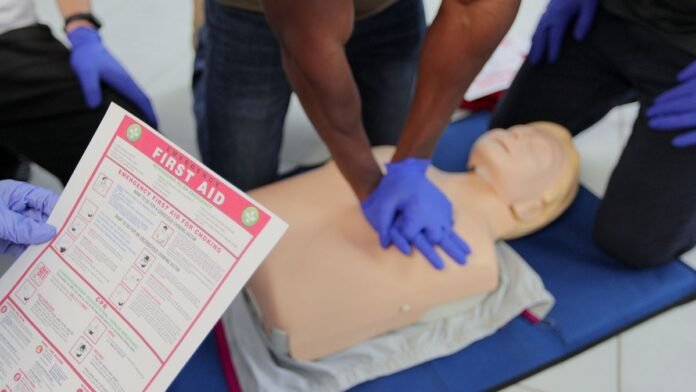

A recent study has uncovered a concerning trend where one out of three individuals expresses reluctance to administer CPR to women due to apprehensions about touching their chests. The survey, conducted by St John Ambulance among 1,000 adults in the UK, revealed that 33% of men also harbor fears of being accused of inappropriate behavior while performing chest compressions.
The findings underscore a prevailing sexual taboo that may jeopardize women’s chances of surviving a cardiac arrest. St John Ambulance emphasizes the importance of disregarding such inhibitions, stating unequivocally that CPR should be administered without gender bias. Alarmingly, previous research indicates that women are less likely to receive bystander CPR compared to men.
In a bid to address these disparities, St John Ambulance urges the public to learn CPR and stresses that the life-saving technique should be applied uniformly regardless of gender. The organization highlights the critical role of defibrillators, noting that prompt use within the first three minutes of a cardiac arrest can significantly increase survival rates.
Despite the life-saving potential of defibrillators, the survey revealed concerning attitudes among respondents, with a significant proportion expressing discomfort about using them on women, particularly due to the necessity of exposing the chest area. Notably, nearly half of male respondents expressed unease about potentially removing a woman’s clothing, including a bra, to use a defibrillator.
It is imperative to challenge these misconceptions and prioritize saving lives over misplaced concerns. The survey results underscore the need for increased awareness and training to overcome gender-related barriers in providing immediate medical assistance. As advocates for gender equality in healthcare, it is crucial to ensure that all individuals, regardless of gender, receive equal and timely access to life-saving interventions like CPR and defibrillation.