

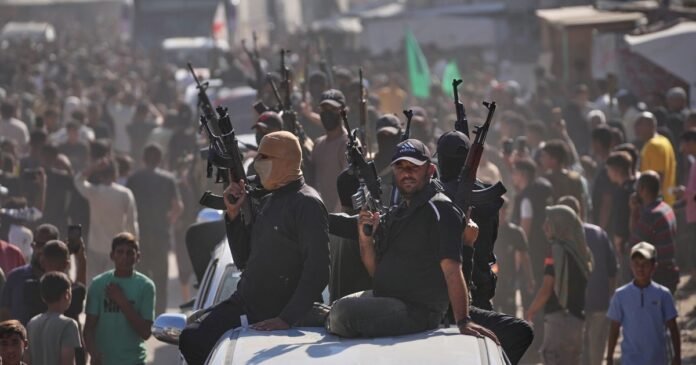

Hamas, despite being weakened and isolated, still maintains its armed fighters, necessitating its demilitarization for sustained peace. Regional countries like Egypt, Saudi Arabia, the UAE, Morocco, and Turkey are in agreement that Hamas must disarm and relinquish control in Gaza.
Internal conflicts between Hamas and rival groups need resolution to pave the way for the implementation of US President Donald Trump’s peace initiative. Reconstruction efforts overseen by a non-political Palestinian entity offer hope for a renewed Gaza, emphasizing the need for swift progress.
Visible changes through reconstruction are crucial to inspire Palestinians about the region’s future. However, uncertainties remain regarding the timeline for Gaza’s reconstruction and the process of deradicalizing the area.
Israel faces the challenge of showing restraint amid potential provocations from Iran and its allies in Iraq, Lebanon, and Yemen, all of whom have faced Israeli military actions. The Arab world’s patience with Hamas has worn thin as the group refuses to acknowledge its defeat.
The responsibility now lies with Trump to exert influence over Israel, particularly in preventing preemptive strikes on neighboring nations. Achieving a balance between Israeli defense needs and avoiding further conflict is imperative.
If Iran persists with its nuclear ambitions, a joint US-Iran attack on Tehran’s nuclear facilities and leadership may become inevitable. Peace in the Middle East remains elusive, with the US playing a pivotal role in maintaining regional stability.