

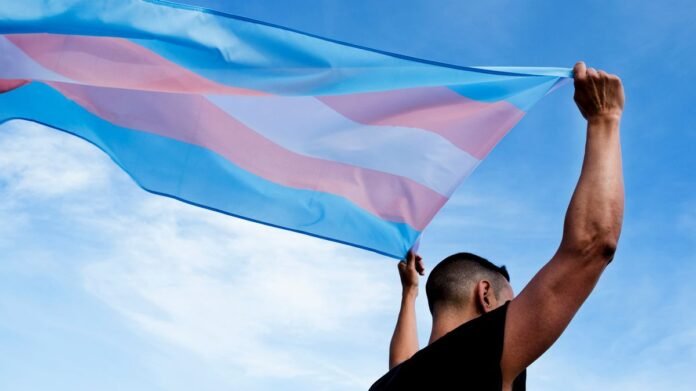

The discussion surrounding transgender rights is fundamentally about human rights. It is crucial to recognize and respect the equality, well-being, and very existence of transgender individuals without subjecting them to unnecessary scrutiny or debate.
In a recent development on November 19, Bridget Phillipson, the Minister for Women and Equalities, received guidance from the Equality and Human Rights Commission (EHRC) regarding the handling of ‘single sex spaces.’ According to a report by The Times, new equalities guidance suggests that transgender individuals may face exclusion from single-sex spaces based on their outward appearance.
Defining womanhood solely based on physical attributes is outdated and limiting. There is no singular characteristic that defines a woman; feminism has historically fought against reducing women to their biological features.
The focus on rigid gender norms and the policing of single-sex spaces can have damaging consequences, not only for the transgender community but also for women. Creating barriers based on appearance or gender stereotypes restricts inclusivity and perpetuates societal conservatism.
It is essential to approach these sensitive issues with care and respect. While ensuring that women have access to safe spaces, it is equally important to treat transgender individuals with dignity and consideration.
The recent UK Supreme Court ruling clarified that the term ‘woman’ in the Equality Act 2010 refers to biological sex. Despite being a minority group, individuals with different gender identities face significant challenges and discrimination in society.
Prominent figures have criticized the disproportionate focus on transgender issues, highlighting the need to address more pressing societal concerns. Targeting marginalized groups only serves to divert attention from larger systemic issues.
Embracing diversity and inclusivity is vital for a thriving society. Discrimination and fear-mongering against any group, including transgender individuals, are harmful and counterproductive to progress.
It is crucial to prioritize empathy and understanding when navigating discussions around gender identity and equality. By fostering a more inclusive and compassionate society, we can create a better future for all.