

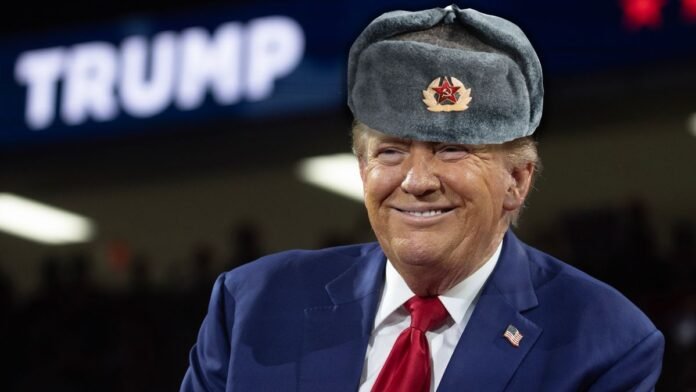

In a striking display of questionable diplomatic actions, the Ukraine “peace plan” spearheaded by Donald Trump has raised concerns due to its alignment with Russian interests, resembling a set of Russian nesting dolls. Leaked transcripts have shed light on the involvement of Steve Witkoff, a property developer lacking credentials in global security but entrusted with a pivotal geopolitical crisis by the President.
Witkoff’s engagement with Vladimir Putin’s top foreign policy aide, Yuri Ushakov, has been characterized by excessive flattery and superficial advice aimed at gratifying Trump’s ego rather than addressing the intricate complexities of European conflicts. The White House’s acceptance of this unconventional approach to diplomacy only highlights the administration’s unorthodox methods.
The revelation that Russian officials openly discussed aligning the US plan with Moscow’s preferences further underscores the concerning nature of the situation. Witkoff and Jared Kushner’s collaboration with a Putin confidant resulted in a “peace plan” that heavily favored Russian interests, urging Ukraine to make substantial concessions that would significantly weaken its sovereignty.
The repercussions of such actions are profound, extending beyond Ukraine’s borders to pose a direct threat to European security. By entrusting critical negotiations to individuals lacking diplomatic expertise, Trump jeopardizes the stability of an entire continent, reinforcing perceptions of negligence and misplaced priorities in global affairs.
The urgency for a more strategic and professional approach to international relations is evident, as the consequences of amateurish dealings with authoritative regimes like Russia can have far-reaching and potentially devastating impacts on regional stability and security. In a time when geopolitical tensions are high, the need for astute and experienced leadership in managing complex international crises cannot be overstated.