

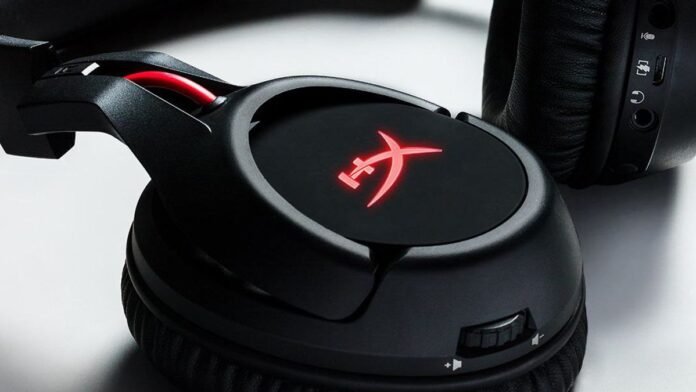

A renowned gaming company is in the process of creating an innovative headset powered by artificial intelligence (AI) that is intended to interpret brain signals to enhance gaming performance.
HyperX, recognized for its premium gaming peripherals, is collaborating with the neurotech company Neurable on this groundbreaking initiative.
Headsets have become indispensable for gamers, with sound quality playing a crucial role in enriching the overall gaming experience. Whether it involves detecting subtle sounds, immersing oneself in the gaming environment, or communicating effectively with online teammates, a quality headset can significantly impact gameplay.
The next frontier in headset technology seems to be emerging, with a pioneering accessory that integrates “mind-reading” neurotech.
Unveiled at the Consumer Electronics Show, HyperX has announced its collaboration with Neurable, a company specializing in AI-powered brain signal interpretation and brain–computer interface technology.
The upcoming HyperX headset will harness Neurable’s non-invasive neurotech to monitor brain signals and convert them into gaming performance enhancements, with the goal of boosting accuracy, focus, and reaction times during gameplay.
A spokesperson from HyperX stated: “Our focus has always been on equipping players with top-tier technology to excel in their gaming endeavors. Through our strategic partnership with Neurable, we are thrilled to provide deeper insights into how cognitive abilities and focus influence gameplay, assisting players in maximizing their competitive edge.”
For those who may doubt the efficacy of the technology, initial studies indicate positive outcomes. According to BusinessWire, an initial trial involving semi-professional esports athletes demonstrated tangible enhancements through Neurable’s neurofeedback system.
Participants reportedly exhibited quicker reaction times, improved precision, and increased successful target hits during first-person shooter training sessions.
The widespread adoption of mind-reading headsets remains to be seen, but the concept itself hints at a potential paradigm shift in gaming, starting from the player’s cognitive processes.