

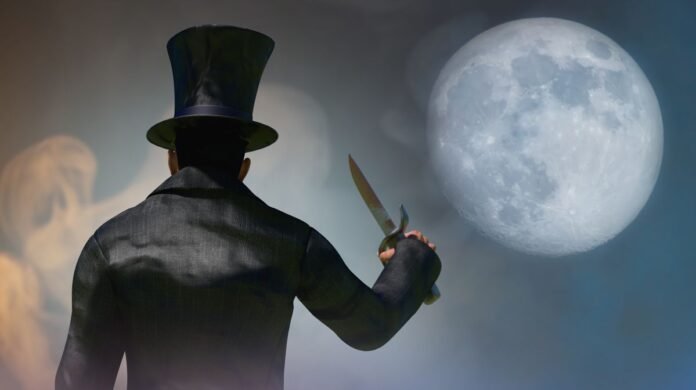

The tale of Jack the Ripper and the enigma surrounding their true identity has captivated investigators, theorists, and casual sleuths for decades. Even during the Victorian era, interest in the murders was insatiable, with illustrated papers like the Police News documenting the grisly events. Numerous books have delved into the mystery, garnering widespread readership worldwide.
Over the years, numerous films and television dramas have portrayed the infamous killings, featuring renowned actors such as Michael Caine, Johnny Depp, and Klaus Kinski. The East End of London has transformed into a macabre pilgrimage site for Ripper enthusiasts, offering guided tours through the streets where the notorious murderer preyed on victims, followed by visits to pubs bearing his name. The brutal nature of the crimes, spanning a 70-day spree and claiming the lives of at least five women in the Whitechapel district between April 3, 1888, and February 13, 1891, gripped the city of London. Despite intense fascination, the true identity of the Ripper has remained a mystery.
The notion that Jack the Ripper could have been a woman, known as Jill the Ripper, dates back to the time of the murders. Frederick Abberline, a prominent police investigator, proposed the theory that the killer might have been a female who impersonated victim Mary Kelly after her death to evade capture. While this idea initially faced skepticism, it raised the possibility that a midwife could have been the perpetrator. Author William Stewart further explored this theory in his book, “Jack the Ripper: A New Theory,” posing key questions about the killer’s identity and motives.
Clues left at the crime scenes hinted at a female culprit. Notably, the victims were not sexually assaulted, and personal items were arranged in a feminine manner at the crime scenes. Discoveries such as buttons from women’s boots and remnants of women’s clothing added to the speculation. Despite the compelling evidence, the primary female suspect was not a midwife, although it is plausible that she used such a guise to approach victims.
One of the main suspects was Mary Pearcey, a woman with a troubled past, convicted of a double homicide similar to the Ripper killings. The circumstances of the murders she committed bore striking resemblances to the Whitechapel murders, leading to her conviction and execution. Another possible suspect was Lizzie Williams, wife of a prominent surgeon, implicated in the crimes due to personal motives and connections to the victims.
Advancements in DNA technology have reignited hope of solving the Ripper mystery. Research indicates that the killer could have been female, and efforts to analyze DNA from historical evidence are underway. Forensic genealogy methods hold promise for identifying the Ripper and shedding light on this enduring mystery.