

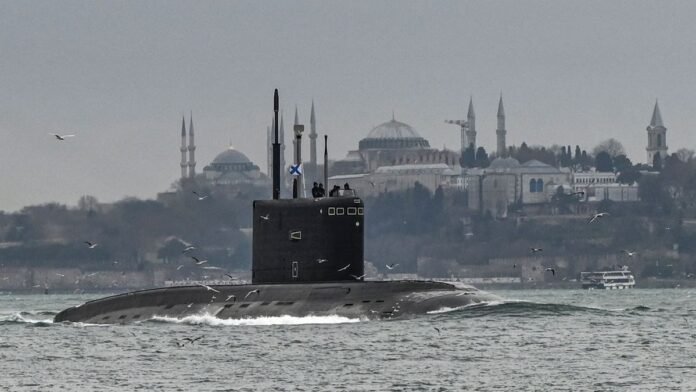

Britain has been focusing on safeguarding its northern borders due to the increased threat posed by Russia. There has been a rise in covert activities by Kremlin submarines near UK territories, with a particular interest in mapping out access points and underwater cables. These submarines have been testing detection capabilities and observing UK responses.
The importance of protecting these underwater cables, crucial for financial transactions and secure communications between Europe, the UK, Ireland, and North America, cannot be understated. The potential sabotage of these cables during wartime could have severe repercussions.
Russia’s Naval Spetsnaz commandos, specializing in underwater operations, have been reportedly practicing sabotage techniques on underwater cables, including those connecting to the UK. Concerns have been raised about Russia’s development of domesday bombs that could create devastating tsunami-like waves through underwater explosions, potentially targeting enemy coastlines.
As the Arctic region becomes more accessible due to climate change, the North Atlantic is emerging as a key trade and military route. This shift underscores the significance of agreements like the one between the UK and Norway in securing these passages for global trade and strategic interests.
Norway’s role as a NATO member with strong military ties to the UK, including training arrangements with Royal Marines Commandos, further enhances security cooperation in the region. The UK’s advanced Type-26 frigates are equipped to detect and counter Russia’s submarine threats, showcasing its maritime warfare capabilities and readiness for potential conflict situations.