


Millions of households are projected to save an additional £39 annually on their energy bills through proposed changes to how the Warm Home Discount is financed. The government has initiated a consultation to transfer the cost burden from the standing charge segment to the unit rate that customers pay for energy consumption. This shift is expected to particularly benefit individuals with lower energy usage, such as low-income households struggling with heating and lighting expenses. The consultation period is set to conclude on January 6.
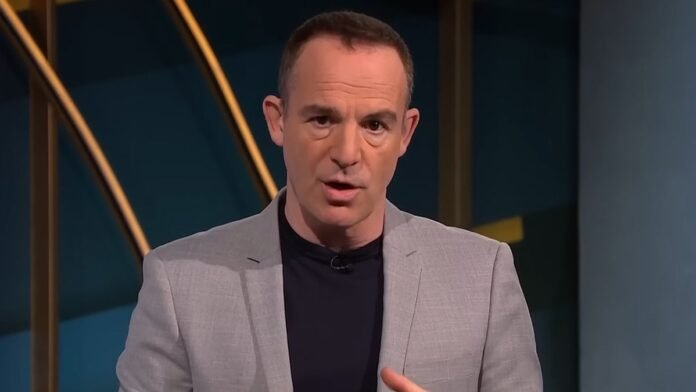
Renowned consumer advocate Martin Lewis commended the proposal, stating, “This is exactly the right direction.” The Warm Home Discount scheme, administered by the government, offers a one-time £150 discount on electricity bills to qualifying low-income and vulnerable households during the winter season. This winter, the scheme has been extended to approximately 6 million households, an increase of about 2.7 million.
Currently, suppliers recover costs through the standing charge, a fixed daily fee applied to all customers irrespective of energy consumption. Under the proposed changes, the cost allocation would shift to the unit rate, the per-kilowatt charge for electricity and gas, effective from next April.
It is anticipated that the majority of households, including 60% of low-income households with minimal energy usage, will benefit from this transition. However, higher energy users, such as households charging electric cars at home, may experience negative impacts due to the shift to the unit charge.
Simultaneously, the government’s promised £150 annual savings on average energy bills will be implemented as part of measures announced in the Budget. This includes ending the Energy Company Obligation and transferring funding for the Renewables Obligation to general taxation. The government asserts that these measures could lead to cost reductions of up to £395 for high-use households relying on electric storage heating.
Moneysavingexpert.com founder Mr. Lewis shared his views on social media, highlighting the potential positive outcomes of the proposed changes. The government’s consultation estimates that 16.5 million households, including 2.8 million low-income households, will benefit from the transition, while 12 million households may face disadvantages from this single measure. However, factoring in the £150 Budget measures, these households would still be £138 per year better off, according to government projections.