


As the weather cools down, indulging in warm comfort foods becomes a silver lining. However, the frequent use of the oven for dishes like roasts and pies can lead to a spike in energy expenses. Dilly Carter, a renowned professional organizer and television personality, offers innovative strategies to maintain a cozy atmosphere in every room of your house during the winter months while managing energy consumption effectively.
In particular, focusing on the kitchen, Dilly recommends practical approaches to save money while preparing meals. She emphasizes the efficiency of air fryers and microwaves compared to traditional gas hobs or ovens. For those without these appliances, Dilly suggests energy conservation through batch cooking on the hob or reheating frozen meals instead of cooking from scratch each time. Additionally, she advises maximizing oven usage by preparing multiple dishes simultaneously, such as baking muffins alongside a Sunday roast.
Dilly also shares energy-saving tips for tea enthusiasts, recommending boiling only the necessary amount of water for the desired number of cups to avoid wasted energy. Regularly descaling the kettle not only improves efficiency but also enhances the flavor of brewed tea. Transitioning to larger appliances, Dilly advocates for running the washing machine and dishwasher only when they are full and washing clothes at a lower temperature to preserve garment quality.
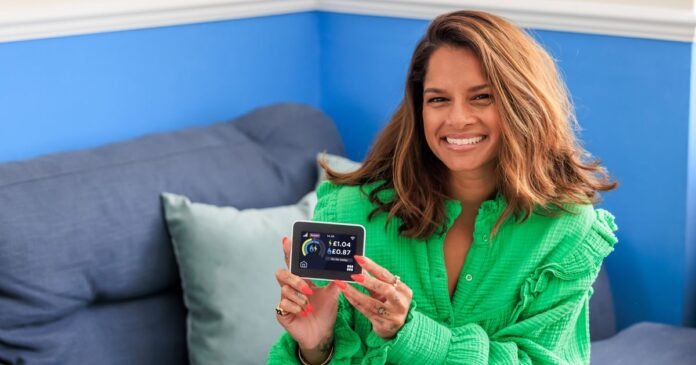
Highlighting the simplicity of winter home heating solutions, Dilly suggests conducting a brief assessment of your residence to identify areas where heat escapes and ensuring optimal radiator performance. Emphasizing the value of smart meters in tracking energy usage, she underscores the benefits of monitoring consumption patterns to identify potential areas for reduction without the need for costly energy-efficient technology investments. Smart meters are typically provided by energy suppliers at no additional charge.
Dilly concludes by stressing the importance of addressing fundamental energy-saving practices to achieve substantial benefits without significant expenditures. Remember, individual eligibility for certain programs may vary, and the data displayed on smart meters serves as an illustration of energy consumption patterns.