

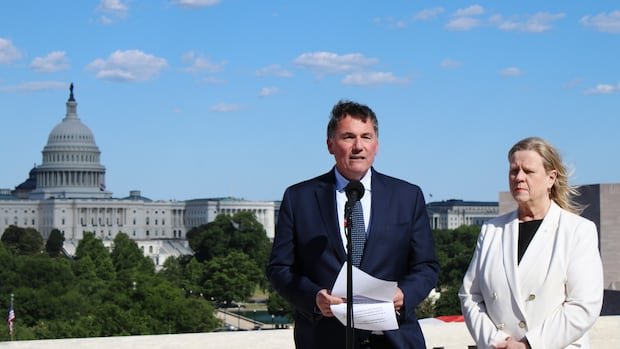

Canada’s Trade Minister, Dominic LeBlanc, and his American counterpart are working on presenting a potential trade deal to President Donald Trump by Monday. Insider sources shared that the joint proposal aims to be delivered to Trump a day before the looming tariff deadline. This timeline would allow Trump to finalize his decision before imposing new 50% tariffs on numerous Canadian imports on August 19.
LeBlanc recently held discussions with U.S. Trade Representative Jamieson Greer in Washington, marking their third face-to-face meeting in three weeks. Following their hour-long meeting, LeBlanc and Canada’s chief trade negotiator, Janice Charette, refrained from answering reporters’ inquiries. LeBlanc later confirmed ongoing negotiations and reiterated their commitment to the bargaining table.
Efforts are underway to dissuade the U.S. from imposing additional tariffs and seek relief from sectoral tariffs on Canadian steel, aluminum, lumber, and automobiles. Canada is also hopeful for an extension of the Canada-U.S.-Mexico Agreement (CUSMA) after the Trump administration declined renewal in July.
In response to the upcoming tariffs, the U.S. cited various trade issues, including Canada’s actions against U.S. trade policy, such as removing U.S. alcohol from provincial stores and alleged discrimination against U.S. vehicles and dairy products. The new tariffs will affect approximately 5% of Canadian exports, encompassing goods like alcohol, hockey equipment, and cement.
Conservative MPs, including Michelle Rempel Garner, emphasized the importance of Canada negotiating from a position of strength with the White House. Rempel Garner highlighted the need for results from Prime Minister Mark Carney, stressing the urgency of securing a favorable trade agreement with the U.S. Conservative Leader Pierre Poilievre echoed these sentiments, urging Carney to prioritize zero tariffs on softwood lumber, an end to sectoral tariffs, a tariff-free auto pact, and exemptions to Buy America rules on infrastructure projects.
These calls for action come amid escalating trade negotiations between Canada and the U.S., underscoring the significance of reaching mutually beneficial trade agreements.