

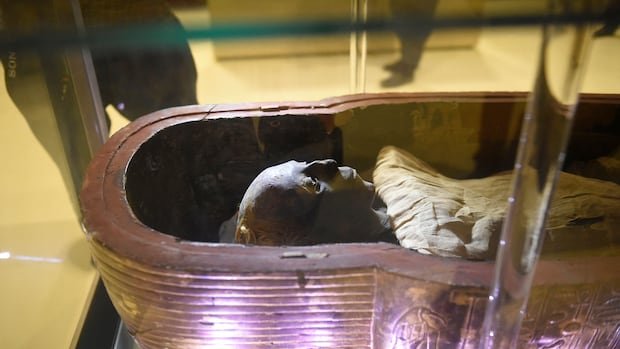

In a recent study published in the International Journal of Cultural Property, researchers led by Kirsty Squires from the University of Staffordshire in England examined 128 online posts from 2015 to 2025 showcasing the sale of mummified human and animal remains. The study highlighted the prevalence of mummified body parts such as heads, hands, and feet being advertised for sale.
According to Squires, these preserved remains can contain dormant microorganisms like bacteria, fungi, and yeast, which could pose health risks if not handled correctly. Improper storage conditions were noted to cause visible deterioration of the remains, potentially releasing harmful fungal spores or bacteria into the air during handling.
Squires emphasized the importance of using protective equipment when handling human remains, as some mummified body parts may also contain toxic chemicals like arsenic and mercury from historical embalming processes.
While the study did not report specific cases of illness linked to handling mummified remains sold online, historical incidents like the deaths of conservation scientists exposed to mould spores illustrate potential risks. James Scott, a public health professor, expressed more concern over the ethical implications of the trade rather than immediate health hazards.
The study found that some online posts selling human remains originated from Canada. Shawn Graham, a digital archaeology expert, highlighted the lack of regulation in the trade of human remains in Canada and the potential loopholes in shipping regulations. While some shipping companies prohibit the transportation of human remains, sellers may exploit vague descriptions to avoid detection.
Graham advocated for stricter laws to ban the online trade of human remains, citing concerns of cultural appropriation and commodification of ancestral remains. He referenced a proposed bill in the U.K. aiming to prohibit such sales and called for similar legislation in Canada to address the ethical implications of trading in human remains.