

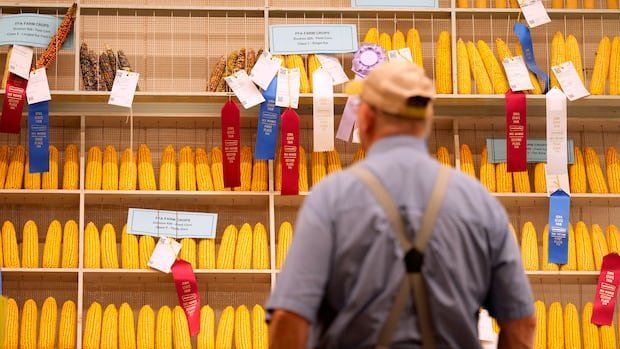

This weekend, a large crowd is gathered at the Iowa State Fair, a well-known event featuring numerous attractions, including a rodeo and a famous butter cow sculpture created annually since 1911. Similar to the Calgary Stampede in Canada, the Iowa State Fair serves as a significant platform for politicians to engage with voters, particularly as the U.S. midterms approach. One pressing issue on the minds of Iowans this year is the impact of President Donald Trump’s trade policies.
According to Aaron Lehman, a fifth-generation family farmer and president of the Iowa Farmers Union, the trade policies have caused confusion and challenges for farmers. The uncertainty has led to the loss of international customers, affecting the reliability of trade partnerships. With Canada being Iowa’s largest export market, accounting for 30% of the state’s total goods exports in 2025, the potential imposition of 50% tariffs by Trump on Canadian goods on August 19 could further exacerbate the economic strain on farmers.
Amidst these uncertainties, farmers like Lehman are finding it difficult to plan for the future of their operations. The economic turmoil has created a sense of apprehension and instability within the farming community, impacting succession planning and day-to-day operations.
Expressing similar concerns, other farmers in Iowa, such as Jack Ploen, emphasized the importance of the trade relationship with Canada and voiced apprehension about the implications of Trump’s policies. The economic challenges have not only strained relationships with trading partners but have also influenced the political landscape in Iowa, with recent polling indicating a shift in competitiveness in key races compared to previous elections.
Despite the ongoing negotiations between Canada and the U.S. to resolve trade disputes, significant disagreements persist, hindering the prospect of reaching a tariff deal. The uncertainty surrounding the talks has put pressure on both countries, with stakeholders closely monitoring developments and preparing for potential outcomes. As the discussions continue, the economic well-being of farmers, families, and industries remains uncertain, underscoring the complexity and significance of the ongoing trade negotiations.