

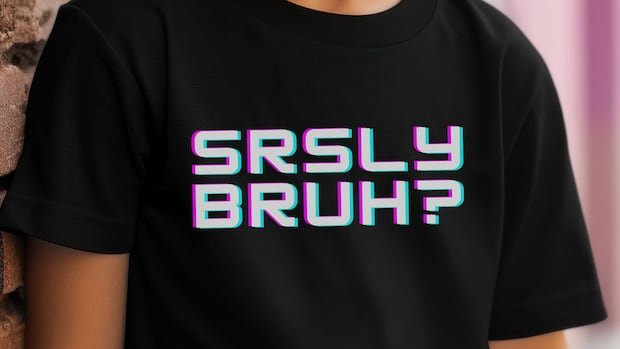

In an unexpected turn of events, Sam Joseph Karam was notified by online marketplace Etsy that 11 of his T-shirt designs featuring the term “bruh” were removed due to a trademark violation. Karam, the owner of Customized Designs, an apparel company based in the U.S., expressed surprise at the mass takedown, noting that it was a departure from the usual occurrence of one or two listings being affected. The removal of his Star Seller badge by Etsy, an accolade recognizing exceptional customer service, was followed by a noticeable decline in sales for Karam.
The trigger for the removals was a complaint lodged by Malik Yawar Abbas, a Canadian trademark holder for the term “bruh,” as confirmed by emails reviewed by CBC News. Karam and several other Etsy sellers shared similar experiences of having their listings removed after trademark complaints from Abbas.
Karam criticized Abbas for what he termed as “trademark squatting,” alleging that Abbas sought to profit from licensing the term rather than producing associated products. Legal experts have emphasized the role of platforms and the legal system in preventing the misuse of trademarks in such scenarios.
The Canadian Intellectual Property Office (CIPO) granted a trademark for “bruh” in July 2025, enabling its use in various clothing categories. Another trademark obtained by Abbas covered the term for advertising restaurant services. CIPO refrained from commenting on the specific trademark but highlighted its rigorous examination process for trademark applications.
Upon visiting the website of the trademark holder, Karam discovered a section outlining the protection of the “bruh” trademark and offering licensing options for its use. Abbas defended the images on the website as demonstrations of potential commercial applications for the brand.
When Karam reached out to Abbas to resolve the Etsy takedowns, Abbas proposed a settlement of $1,000, a request that Karam rejected, citing concerns of bad faith on Abbas’ part. Abbas later retracted the complaint to Etsy after the designs were removed, indicating that the products were no longer available to Canadian consumers. However, Karam lamented the impact of the incident on his business and is contemplating legal action to challenge the trademark’s validity.
Under Canadian trademark laws introduced in 2019, trademarks can be invalidated if obtained in “bad faith.” While legal experts acknowledge the potential for such challenges, the application of this provision remains untested in practice.
Experts have noted that trademarking a word does not equate to owning it outright, emphasizing the context and usage of the term. The debate over the “bruh” trademark has raised questions about trademark enforcement, particularly in cases where common phrases intersect with commercial interests.
Despite the complexities surrounding trademark disputes, stakeholders advocate for clearer guidelines and mechanisms to address bad-faith trademarks and protect the interests of sellers and creators. The case underscores the evolving landscape of trademark protection and the need for robust measures to balance commercial rights with creative expression.