

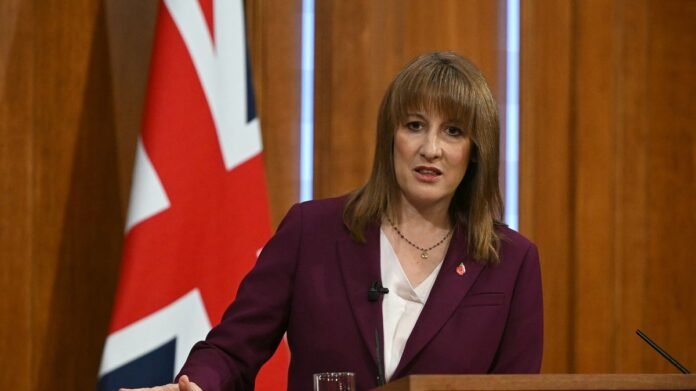

Rachel Reeves made a significant move by hinting at the upcoming Budget scheduled in three weeks. Although lacking specifics, the overall impact of her announcement was substantial at this stage of the process.
Following a previous tax-raising Budget deemed as a one-off, the current Chancellor’s indications suggest a different narrative. Reeves’ address conveyed a clear message to the public, hinting at potential future tax hikes, even breaching manifesto commitments, which might not sit well with the electorate.
The gamble lies in the belief that necessary contributions from citizens will lead to a stronger national economy and public services. The outcome of the upcoming general election and its long-term repercussions may hinge on whether this strategy proves right or wrong.
Despite avoiding direct references, recent discussions have increasingly focused on potential tax adjustments in the upcoming Budget. The emphasis seems to lean towards tax increases over extensive spending cuts, particularly with the assurance of steering clear of past austerity measures.
Labour’s stance, as outlined in their manifesto, vows to spare working individuals from tax hikes, rejecting increases in National Insurance, Income Tax rates, or VAT. However, the evolving economic landscape prompts a reevaluation, with experts suggesting that adjustments to these major tax sources might be inevitable.
The intricacies of income tax, affecting over 37 million UK taxpayers, vary based on income levels. The tax brackets determine the percentage payable, starting with the standard Personal Allowance and progressing through basic, higher, and additional rate bands.
Speculations swirl around potential tax adjustments, with projections indicating substantial revenue gains from minor increases across tax bands. However, proposed changes could face public backlash, especially if they breach long-standing tax norms.
Experts warn that even a slight increase in the basic tax rate could significantly impact individuals’ annual tax burdens. The potential adjustments come at a challenging time for households facing rising living costs and economic uncertainties.
Proposals to restructure National Insurance contributions aim to balance revenue streams without burdening the public excessively. The debate also extends to Value Added Tax alterations, weighing the financial gains against potential inflationary pressures.
Reeves’ focus on alleviating energy and food expenses underscores the government’s efforts to address cost-of-living challenges. Discussions on restructuring levies to reduce household bills and combat inflation highlight the delicate balance required in tax policy decisions.
Amidst ongoing discussions, various sectors, including pensions and online gambling, face potential tax implications. The evolving tax landscape necessitates strategic adjustments to ensure sustainable revenue streams without unduly burdening specific industries or demographics.