

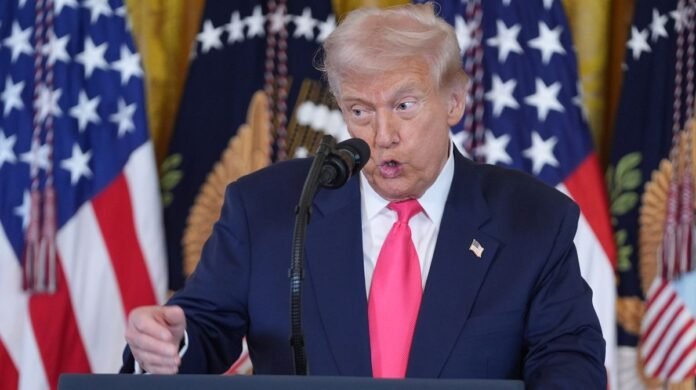

Irony met its demise in a dramatic fashion this week as individuals with questionable credibility took aim at the BBC’s integrity and truthfulness. Boris Johnson criticized the BBC for allegedly fabricating a poorly edited clip of Donald Trump’s speech, despite Johnson’s own track record as a proven liar. Nigel Farage accused the BBC of left-wing bias during the Brexit referendum, even as the BBC provided ample coverage to Leave UK’s deceptive claims. Kelvin MacKenzie, a former editor of The Sun, questioned the BBC’s journalism integrity, despite his own history of perpetuating falsehoods. Donald Trump, known for his numerous falsehoods, threatened to sue the BBC for misrepresenting his claims about the US election.
Critics, predominantly from the right-wing, have targeted the BBC for alleged bias and orchestrated attacks on its credibility. Despite acknowledging its imperfections, the BBC must swiftly address journalistic errors, such as the mishandling of Trump’s speech, to uphold its esteemed reputation for impartiality. In an era saturated with misinformation from various sources, preserving the BBC’s role as a trusted news provider is crucial. The BBC’s diverse content offerings, including acclaimed dramas and documentaries, contribute significantly to its commercial success and global viewership of 450 million people.
While the BBC issued an apology to Trump, it also deserves an apology from his press secretary for labeling the BBC as “anti-Trump fake news.” Threats to the BBC’s existence, particularly from political factions like Reform, pose a serious risk to quality broadcasting in the UK and the loss of a valuable public resource. The potential demise of the BBC, under a Reform or Reform/Tory government, would be a significant loss to the country’s media landscape and cultural fabric.