

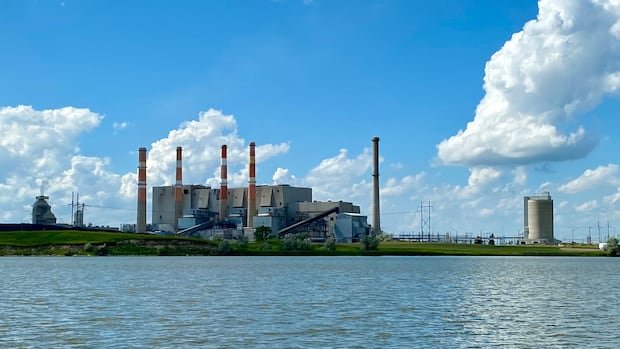

A recent study has revealed that the decision by the Saskatchewan government to renovate its coal-fired power plants might incur costs of up to $46.4 billion within the next two decades. This figure surpasses the estimate from internal SaskPower documents, which indicated $26 billion over 25 years.
Brett Dolter, an associate professor at the University of Regina specializing in economics, conducted the analysis to determine the expenses associated with Saskatchewan’s strategy to transition from coal-fired power plants to nuclear power and the implementation of Small Modular Reactors (SMRs). Dolter’s research indicates that this plan will be pricier and more environmentally harmful compared to decommissioning the coal plants and constructing a mix of natural gas facilities and renewable energy systems, which was the original provincial strategy before the reversal in early 2025.
According to Dolter, incorporating carbon pricing into the equation further illustrates the savings potential. Without carbon pricing on heavy emitters, sticking with coal could amount to $30.2 billion over the next two decades. However, when carbon pricing is factored in, the projected cost rises to $46.4 billion, aligning with Ottawa’s memorandum of understanding with Alberta earlier this year.
While acknowledging the financial implications of Saskatchewan’s current trajectory, Dolter refrained from speculating on why the government opted for this course despite being aware of the costs involved.
When questioned about Dolter’s findings, the provincial government’s response emphasized the importance of reliable and affordable electricity for Saskatchewan’s growth, reiterating their commitment to an energy strategy that includes utilizing local resources and transitioning to nuclear power.
Mayor Tony Sernick of Estevan highlighted the potential consequences of abandoning coal-fired plants, expressing gratitude for the decision to refurbish them, which has alleviated concerns of population decline in the city. Sernick noted a sense of optimism in Estevan, with plans for future developments aligning with the province’s energy choices.
The study underlines the financial and legal risks for Saskatchewan in deviating from federal regulations aimed at phasing out coal-fired power plants. By continuing to operate coal plants past 2029, the province faces potential legal challenges and financial losses in case of subsequent shutdowns due to constitutional carbon pricing regulations.
Overall, Saskatchewan’s energy transition decisions entail significant financial implications and legal uncertainties that could impact the province’s long-term energy strategy.