

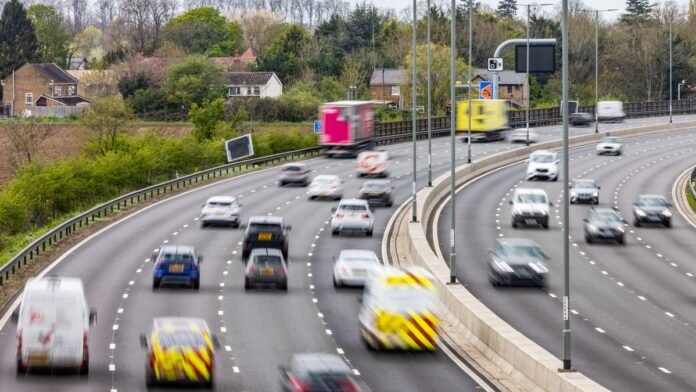

In the UK last year, a rural county lacking motorways proved to be the most dangerous place for driving, prompting calls for enhanced road safety measures. According to recent data from the Department for Transport, there were 1,602 road fatalities in 2024, showing a marginal 1% decrease from the previous year. The total number of people killed or seriously injured was 29,467, also down by 1% from 2023, with 128,272 total casualties, reflecting a 4% reduction.
The majority of fatalities occurred among car drivers and passengers (692), pedestrians (409), and motorcyclists (340). Although deaths among car occupants decreased by 5%, fatalities among motorcyclists surged by 8% and pedestrian deaths rose by 1%.
Concerns raised by the Royal Society for the Prevention of Accidents (RoSPA) indicate a stagnation in road safety progress, emphasizing the rising number of vulnerable road users accounting for over half of all fatalities.
Data highlights significant disparities in road traffic injuries across the UK, with rural areas experiencing higher fatality rates compared to urban and motorway locations. Lincolnshire, a county without a motorway, recorded the highest number of fatalities in 2024, with 53 lives lost on its roads.
Kent emerged as the second most dangerous driving location with 45 fatalities, followed by Essex (42), Norfolk (41), and Lancashire (37). Kent also reported the highest number of serious injuries or fatalities (921), closely followed by Hampshire, Lancashire, Surrey, and Essex. Moreover, Kent had the highest overall casualties, with 3,821 individuals sustaining injuries from road accidents.
RoSPA is urging authorities to prioritize proven safety measures, including lower speed limits in high-risk zones, targeted enforcement, improved infrastructure for protecting vulnerable road users, and enhanced public education campaigns. Additionally, the organization advocates for the expansion of 20mph zones around residential and school areas.
Rebecca Guy from RoSPA stressed the need for evidence-based strategies in the upcoming National Road Safety Strategy to prevent unnecessary road traffic collisions. The report emphasizes the importance of a comprehensive approach, including initiatives like graduated driver licensing, stricter drink-driving regulations, enhanced enforcement, and safer road designs to reverse the current stagnation in road safety progress.
The statistics show that the majority of fatalities and casualties were male, with older men aged 30-49 and 50-69 being the most vulnerable age groups. Despite the challenges, Great Britain remains one of the safest countries to drive, with 24 fatalities per million people in 2024, ranking favorably compared to other nations.
For quick access to valued news content, select Daily Mirror as a ‘Preferred Source’ on Google News.