


Negotiators from Canada are concerned about the possibility of new U.S. tariffs taking effect on Wednesday, with challenges in obtaining relief from existing sectoral tariffs and persuading provinces to lift restrictions on American alcohol. Sources familiar with the negotiations, both in Canada and the U.S., have revealed details on the talks, which are gaining momentum.
Trade Minister Dominic LeBlanc of Canada recently engaged in discussions with U.S. Trade Representative Jamieson Greer for the third time in less than a week, aiming to secure a “comprehensive agreement” with the U.S. government. Ottawa is pushing for the elimination of new 50% tariffs on approximately $28 billion worth of Canadian goods scheduled for imposition, which accounts for 5% of Canada’s exports to the U.S.
The core of the proposed deal includes a reduction in existing sectoral tariffs affecting industries such as steel, aluminum, auto, and lumber. Currently, steel and aluminum face 50% tariffs, while auto tariffs stand at 25%.
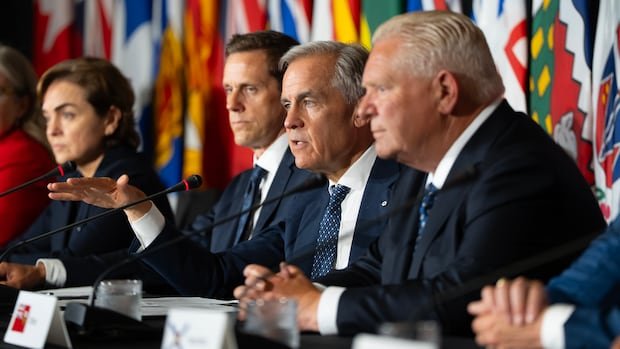
To garner support from provinces, Ottawa aims to finalize a deal that addresses concerns such as reinstating American alcohol sales in Canada. However, disagreements persist between the U.S. and Canada on various unresolved issues, potentially hindering a final agreement.
Provincial opposition to lifting alcohol bans without reciprocal tariff relief remains a significant challenge for negotiators. Provinces have been informed that Canada may need to make concessions on issues raised by the U.S., including provincial bans on American alcohol, dairy import quotas, and retaliatory tariffs on U.S. autos.
The necessity of resolving these disputes has been emphasized by Greer, indicating that the resolution of these issues is a prerequisite for averting the impending tariffs. Meanwhile, provinces like Alberta and Saskatchewan have resumed U.S. alcohol sales, while others are reluctant to lift bans without addressing their specific grievances.
As negotiations continue, Quebec has maintained a firm stance on preserving the supply management system for Canadian dairy, a contentious issue in U.S.-Canada trade relations. Discussions regarding potential Canadian concessions on dairy products are ongoing, with Quebec asserting its jurisdiction over alcohol sales decisions.
In addition, British Columbia Premier David Eby has stressed the importance of addressing tariffs on Canadian softwood lumber in any trade agreement. The current U.S. proposal lacks significant reductions in softwood lumber tariffs, posing a challenge as B.C. seeks to include lumber negotiations in the broader deal.
The urgency for provincial alignment and a unified approach has been highlighted, given the reluctance of the U.S. to extend the tariff deadline. Efforts to bridge the gap between Canada and the U.S. continue, with a strong emphasis on collaboration among federal, provincial, and territorial authorities.
While the possibility of talks concluding without an agreement looms, both sides are intensifying efforts to reach a mutually beneficial resolution. The Canadian government has emphasized the need for a unified front in negotiations, emphasizing the importance of a cohesive approach to secure a favorable outcome.