

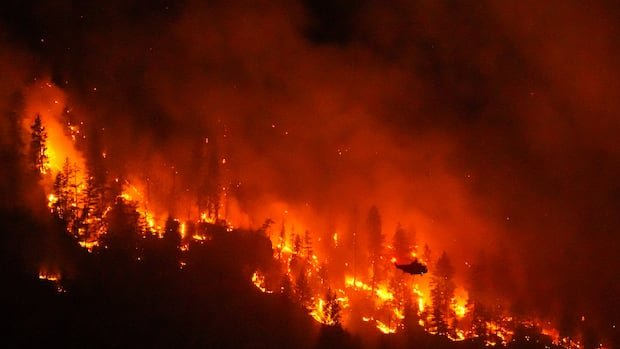

A recent study has revealed the alarming impact of wildfires, permafrost thaw, and other environmental changes on escalating greenhouse gas emissions and hastening climate change. These climate feedback loops, in which carbon emissions are triggered by climate change leading to further climate change, may result in 20 to 30 percent more warming than current estimates for this century. This study, conducted by researchers from U.S. institutions such as Stanford University, the Environmental Defense Fund, and Spark Climate Solutions, emphasizes that the Earth’s remaining carbon budget is likely smaller than previously thought.
The study, published in the journal Environmental Research Letters, sheds light on the significant contribution of warming-induced emissions to global temperature rise. While existing climate models primarily focus on emissions from human activities like fossil fuel burning and waste decomposition, this research underscores the need to consider the additional emissions resulting from natural processes.
Canada, being a significant contributor to warming-induced emissions, faces unique challenges as a northern country experiencing accelerated warming. The study emphasizes the global implications of changes in Canada, citing the country’s substantial carbon emissions during extreme events like wildfires. The impacts of these events reverberate globally, underscoring the interconnected nature of climate change.
One key driver of escalating emissions is the thawing of permafrost, accelerated by rising Arctic temperatures. The study highlights the occurrence of abrupt permafrost thaw, a localized process triggered by warming and extreme weather events, which can release substantial amounts of carbon into the atmosphere. These abrupt thaws expose previously frozen organic material to microbial activity, leading to the production of methane and carbon dioxide.
Additionally, freshwater wetlands, prevalent in Canada, have emerged as a significant source of methane emissions contributing to the atmospheric methane spike observed in recent years. The study calls for increased focus on incorporating wetlands into climate models to better understand and mitigate these emissions. Warmer temperatures and shorter frozen seasons are exacerbating methane emissions from wetlands, underscoring the need for enhanced monitoring and research efforts in these critical ecosystems.