

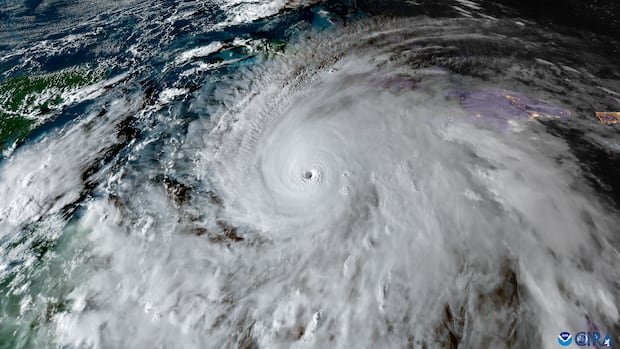

As of the current moment, the Atlantic hurricane season has seen only six named storms, most of which were short-lived. This unusual trend begs the question – why is hurricane activity so low? According to Phil Klotzbach, a senior research scientist at Colorado State University, the primary culprit behind this quiet season is the powerful El Niño event currently underway.
El Niño is a significant component of the El Niño-Southern Oscillation (ENSO), impacting ocean temperatures in the central Pacific and atmospheric wind patterns. When the sea surface temperature in the central Pacific rises 0.5 degrees Celsius above normal, it signifies an El Niño event. This phenomenon has global ramifications.
The ongoing El Niño event has been labeled as “super,” exerting a suppressive effect on Atlantic hurricane activity. Meteorologists, such as Lindsey Long from the U.S. National Oceanic and Atmospheric Administration (NOAA), predict that this El Niño could set historic temperature anomalies exceeding previous records.
The elevated sea surface temperatures in the Pacific Ocean due to El Niño create unfavorable conditions for hurricane formation in the Atlantic. The resulting vertical wind shear disrupts the typical hurricane structure, hindering their development. Despite the current tranquility in the Atlantic, there remains a slim chance of a late-season hurricane forming, possibly in the Gulf of Mexico.
Conversely, the Pacific Ocean has experienced heightened hurricane activity, with 16 named storms recorded so far. While the Atlantic basin narrowly missed its first hurricane, Tropical Storm Fay’s formation further north than usual was notable. It’s worth noting that El Niño has not completely subdued tropical weather events, with some short-lived storms affecting the Gulf of Mexico.
Looking ahead, the El Niño event is anticipated to peak in late 2026, persisting into 2027. The aftermath of this event on the following year’s hurricane season remains uncertain. Typically, the absence of El Niño and warmer Atlantic conditions in the subsequent year could lead to increased hurricane activity, but precise forecasts are challenging at this stage.