

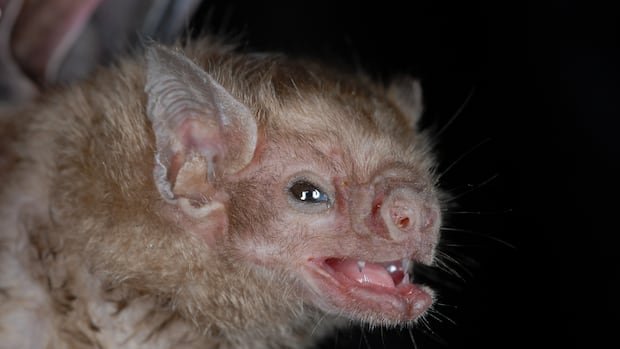

A comprehensive study of genomes from all 21 modern bat families and a comparison to numerous fossil bats has put an end to the debate on the origin of bats and shed light on the characteristics of early bats. According to a recent study published in the journal Nature, the earliest bats likely originated in Europe approximately 65 million years ago.
Previous discussions among scientists had explored the possibility of bats evolving in Asia, Africa, or North America, but the scarcity of fossil evidence hindered conclusive answers. The lead author of the study, Sonja Vernes, explained that due to bats’ ability to fly, they have been migrating globally for millions of years.
Through analyzing genomes from 103 bat species, researchers uncovered that ancient bats possessed 26 chromosomes and emerged around 65 million years ago, post the extinction of dinosaurs. They also discovered that echolocation evolved early in bats, with the fossil bat Vielasia, dating back 50 million years, displaying features indicating its echolocation capabilities.
Today, there are over 1,500 bat species worldwide, accounting for a significant portion of mammal diversity. The study’s family tree highlights the relationships among the 21 bat families.
With the data now publicly accessible, researchers are eager to explore the genetic secrets behind bats’ longevity and resilience to viral diseases, which could potentially inspire advancements in human health care. The study’s findings have intrigued experts like Christina Davy, an ecologist at Carleton University, who hopes the genetic insights can aid in prioritizing bat conservation efforts.
The collaborative effort involved over 600 researchers globally, with contributions from various countries, including Canada. Burton Lim, an assistant curator at the Royal Ontario Museum, played a crucial role in providing bat samples for genome testing. Lim emphasized the importance of preserving genetic information by storing specimens in liquid nitrogen.
Despite bats often facing negative perceptions, they contribute significantly to ecosystems through activities like pollination and pest control. The availability of extensive bat genome data is expected to fuel further research into their unique traits, such as echolocation, and deepen our understanding of these remarkable mammals.