

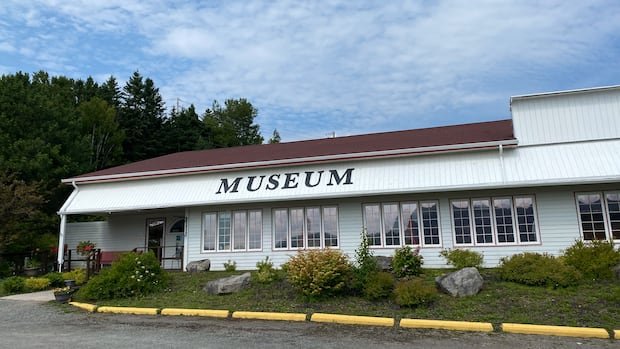

Angie MacIsaac is actively engaged in sharing the historical significance of the Canso Causeway with a group of tourists from the United States visiting the Strait Area Museum. She gestures towards the causeway, drawing attention to an abandoned building in Port Hastings, N.S., formerly housing the Visitor Information Centre that closed down in February due to budget cuts.
In response to the closure, MacIsaac and her museum colleagues have initiated a one-year pilot project to establish a “community visitor information center” to cater to tourists arriving in Cape Breton. The aim is to fill the void left by the closure of the official visitor center and eventually establish the museum as a permanent welcome hub for visitors.
Following the closure announcement, Destination Cape Breton, a tourism lobby group, collaborated with the island’s municipalities to fund the reopening of the center on a reduced scale. Nova Scotia Public Works later revealed plans to demolish the former visitor center building and a nearby gift shop within two years to make way for a new roundabout scheduled for completion by 2029.
The lobby of the Strait Area Museum now showcases pamphlets previously available at the visitor center, with the province working on new highway signage to guide tourists. MacIsaac and the Port Hastings Historical Society are providing training to society members and community volunteers to ensure operational continuity, especially during the shoulder tourism season when student staffers finish their duties by the end of August.
MacIsaac envisions the museum as the primary point of contact for visitors to Cape Breton, aiming to offer a warm welcome reflective of the island’s hospitality. While the province has not allocated direct funding for the museum’s new initiative, the historical society can apply for support from the province’s Community Visitor Information Centre funding program.
Accommodation providers in Cape Breton, such as Yvette MacPhee from Chéticamp’s Ocean View Motel and Chalets, support the community-run visitor center model. MacPhee highlights the importance of visitor centers in areas with limited cell coverage, where tourists often struggle to find accommodation upon arrival, emphasizing the necessity of such facilities for a seamless visitor experience.