

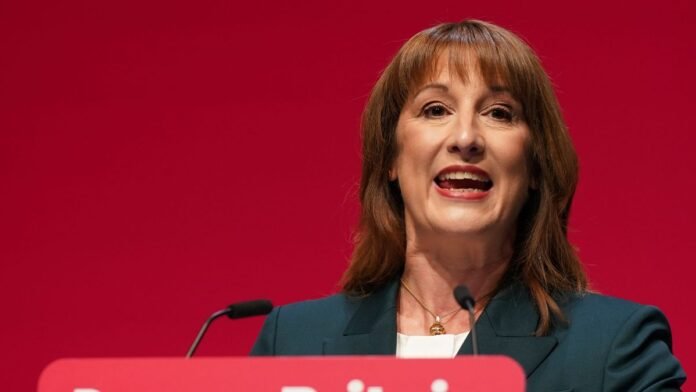

The current fiscal challenges have sparked intense speculation regarding potential tax increases in the upcoming Budget. While VAT has been suggested as a potential target, this move could contradict Labour’s previous commitment to avoid raising taxes on working individuals. Chancellor Rachel Reeves has hinted at a possible policy shift, leading to rumors of a potential U-turn.
The uncertainty surrounding Labour’s stance on tax hikes has been further exacerbated by Prime Minister’s Chief Secretary Darren Jones, who has neither confirmed nor denied the party’s adherence to its manifesto promises. Despite speculations, reports indicate that an increase in VAT is unlikely. However, the question remains: what exactly is VAT, how much revenue does it generate, and what options are available to the Chancellor?
Value Added Tax (VAT) is levied on most goods and services sold by VAT-registered businesses, making it a significant revenue source for the Treasury. Projections from the Office for Budget Responsibility suggest that VAT will contribute £180.4 billion this fiscal year, constituting 14.7% of total taxes and averaging £6,300 per household. Increasing the standard rate from 20% to 21% could potentially generate £8.8 billion next year, while a hike in the reduced 5% rate might yield around £490 million.
Approximately half of all goods and services are subject to VAT. While the standard rate stands at 20%, a reduced rate of 5% applies to specific items such as household energy bills and children’s car seats. Post-Brexit, the UK has the autonomy to set its own VAT rate within a range of 15% to 25%.
A significant portion of goods and services, including food (excluding certain categories), books, newspapers, and children’s clothing, are zero-rated for VAT. Any broad increase in VAT could potentially impact working individuals if prices surge as a consequence. Alternatively, the Chancellor might consider selective VAT adjustments, albeit challenging decisions.
One potential target for VAT adjustments could be private healthcare, currently exempt from VAT. However, recent statements from Health Secretary Wes Streeting suggest that imposing VAT on private healthcare is unlikely in the upcoming Budget. Another option could involve applying VAT to specific unhealthy foods currently zero-rated, potentially generating hundreds of millions in revenue.
Reports also indicate a possible reduction in the VAT registration threshold for small businesses, which currently stands at £90,000. Lowering this threshold could compel more small businesses to charge VAT on their sales, potentially increasing costs and administrative burdens. Despite these considerations, any alterations to VAT regulations may not yield the substantial revenue required by the Treasury.
In conclusion, while various VAT adjustment options are under consideration, the potential impacts on working individuals, small businesses, and overall revenue generation remain key factors in the ongoing tax policy deliberations.