

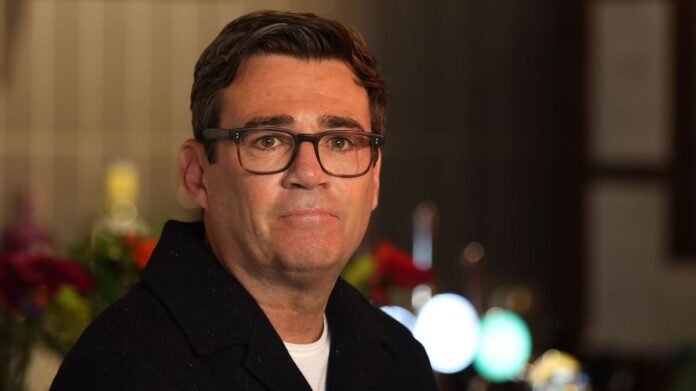

Andy Burnham has once again criticized Keir Starmer, expressing his belief that the timing for implementing digital ID cards is not appropriate. The Greater Manchester Mayor has been causing a stir at the Labour Party’s annual conference, where speculation suggests he could be a potential future leader of the party.
During an event hosted by the Guardian Politics podcast, Burnham indicated his lack of support for digital ID cards at this moment. Additionally, he did not dismiss inquiries about his potential transition from his mayoral position to pursue a parliamentary seat with aspirations of leading the Labour Party.
When questioned about his future plans, Burnham stated that he cannot predict what lies ahead but emphasized his strong commitment to serving as the mayor of Greater Manchester. While he refrained from confirming discussions with MPs regarding a leadership bid, he clarified that without a parliamentary position, launching a leadership campaign is not feasible.
The critique of digital ID cards marks Burnham’s latest involvement at the conference, where Starmer introduced the “BritCards” policy to facilitate employment and housing checks within the UK. The digital IDs, planned to be accessible through the GOV.UK wallet app, aim to streamline verification processes against a central database for individuals’ right to reside and work in the country.
At the same event, Burnham urged the Government to abolish the two-child benefit limit and proposed revisions to land value taxation and council tax. He advocated for a reevaluation of the taxation system to address the imbalance between taxing labor more than wealth and assets.
Responding to economic criticisms, Burnham defended his proposals, including a 50p top income tax rate and tax reductions for lower earners, emphasizing the need to reduce reliance on foreign borrowing. Despite indirect criticism from Rachel Reeves during her conference speech, Burnham refuted claims of financial imprudence in managing Greater Manchester.
Expressing his long-term vision, Burnham expressed hopes of the UK rejoining the EU, highlighting the economic benefits of union membership. He also raised concerns about a perceived climate of fear within the Labour Party, accusing the leadership of stifling debates on governmental direction.
Burnham clarified that his interventions aim to spark discussions on the party’s trajectory rather than positioning himself for leadership. The Mayor called for increased openness and change within the party’s decision-making processes.