

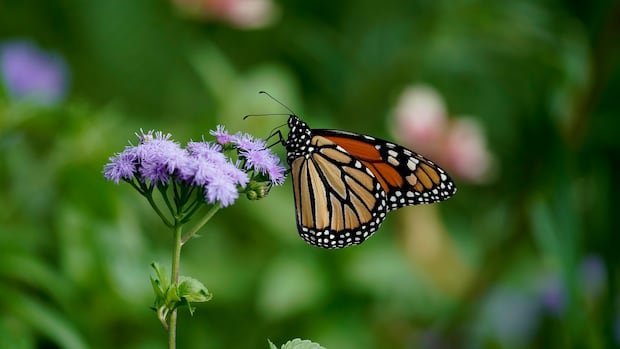

MaryAnn Lepp has been amazed by the abundance of monarch butterflies undergoing their incredible transformation in her garden. She observed 20 caterpillars feasting on her swamp milkweed in just one day this week. This phenomenon is part of a larger trend occurring in backyard milkweed patches across parts of the Prairie region in Canada this summer, thriving under the wet and hot conditions.
The surge in monarch activity, including sightings of caterpillars, chrysalises, and butterflies, has captured the attention of butterfly enthusiasts like Lepp. While experts cannot definitively attribute this surge solely to favorable weather conditions, the anecdotal reports are seen as a positive indicator for the federally endangered species known for their extensive migration between Canada and Mexico.
Marika Olynyk, curator of the Living Prairie Museum, noted a significant increase in monarch populations in Winnipeg this year. The museum’s tall grass prairie preserve, abundant with native plants that pollinators favor, has been a welcoming habitat for monarch butterflies. Although monarchs primarily feed on milkweed leaves during their caterpillar stage, they also consume nectar from various flowering plants, such as the meadow blazing star.
Despite efforts by individuals like Lepp to plant milkweed and native wildflowers, these plants remain scarce due to habitat loss caused by the conversion of native grasslands into farmland. Conservationists emphasize that habitat loss poses the most significant threat to monarch populations, underscoring the importance of preserving natural habitats for these iconic butterflies.
The monarch’s endangered status was officially recognized in Canada in 2016, prompting increased conservation efforts and legal protections. However, the species continues to face challenges, with researchers monitoring their populations by tracking their wintering grounds in Mexico. The ongoing conservation efforts, including breeding and releasing programs, aim to support the recovery of monarch populations and other endangered butterfly species like the Poweshiek skipperling.
Laura Burns, conservation programs manager at the Assiniboine Park Zoo, highlighted the encouraging progress in the conservation of the Poweshiek skipperling, a critically endangered butterfly species teetering on the brink of extinction. Efforts to breed and release these butterflies have shown positive results, signaling potential steps towards population recovery.
As monarch and butterfly populations thrive under favorable weather conditions, conservationists and enthusiasts remain dedicated to preserving these species and their habitats. The ongoing initiatives, including tracking monarch migration and supporting habitat conservation, aim to ensure the long-term survival of these iconic butterflies and contribute to biodiversity conservation efforts.