

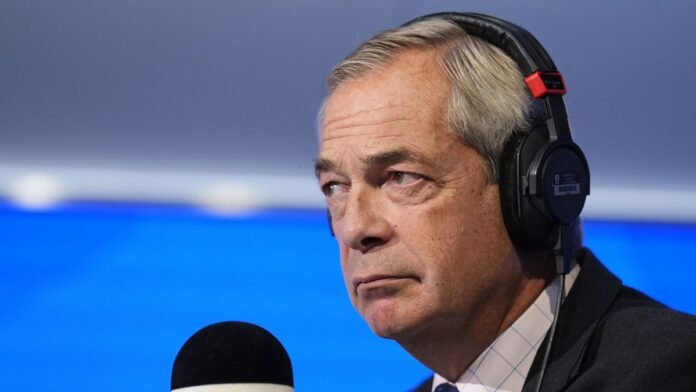

Nigel Farage’s recent fear-mongering regarding paracetamol raises concerns about his suitability for the role of Prime Minister. Rather than aligning with medical experts, he chose not to reject Donald Trump’s debunked claim linking the painkiller to autism in infants.
This pattern is not new for Farage’s party, as they permitted controversial doctor Aseem Malhotra to propagate a baseless theory connecting Covid vaccines to cancer in the royal family during a recent conference. Such assertions are risky given the current low vaccination rates for children and could needlessly worry expectant mothers.
Additionally, Farage echoed Trump’s unfounded remarks about Haitian migrants eating their pets by suggesting that Eastern Europeans consume swans in British royal parks, a claim refuted by The Royal Parks. This anti-migrant rhetoric aligns with Farage’s recent proposal to eliminate a key pathway to British citizenship for lawfully residing individuals, raising concerns about the potential strain on the NHS and care sector.
While Farage’s approach may resonate with some, mirroring Trump’s extreme views may not sit well with the majority, as evidenced by the widespread disapproval of Trump in the UK. Despite Reform UK’s current popularity, winning a general election will require appealing to a broader audience beyond conspiracy theories and harsh immigration policies.
The public desires secure borders but not at the cost of deporting law-abiding residents who contribute to society. Addressing community challenges and restoring faith in governance are crucial, areas where Labour acknowledges the need for improvement.
Farage’s fixation on immigration overlooks other pressing issues like healthcare, education, and the economy that are equally important to voters. By exploiting fears of scarcity and blaming immigration for societal woes, he oversimplifies complex challenges and ignores the multifaceted solutions needed for a holistic approach.
Labour must demonstrate its ability to manage borders effectively while addressing broader societal needs to counter the allure of Farage’s divisive rhetoric. Failure to do so risks the public falling for Farage’s misleading promises, ultimately leading to detrimental outcomes for the country.