

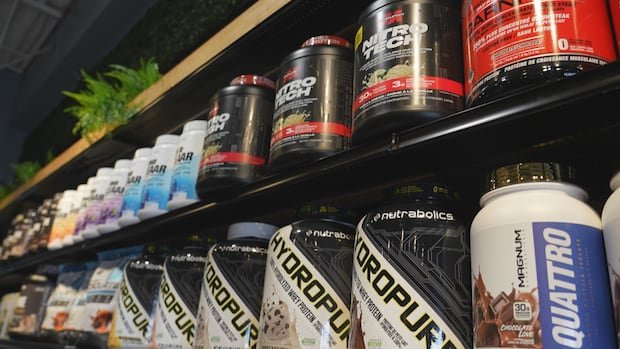

In her quest to boost her protein intake, Jennifer Mason has turned to whey protein powder in recent years. However, the escalating prices have left her shocked, prompting her to reconsider her dietary choices as a new mother dealing with increasing expenses.
Mason shared, “I’m scaling back and exploring natural protein sources in the foods I eat rather than relying on products.”
Driven by surging consumer interest, food manufacturers and fast-food chains are incorporating whey protein into a wide range of products, from snacks to beverages. This surge in demand has led to shortages of whey protein, pushing prices to unprecedented levels. The ongoing U.S.-Canada trade dispute has further compounded the situation, potentially resulting in cost hikes passed on to consumers.
The market landscape is witnessing a proliferation of protein-enriched offerings, from chips and Pop-Tarts to confectionery items. Notable figures like Khloé Kardashian have introduced protein-enhanced snacks, while major brands are leveraging whey protein to cater to health-conscious individuals. Fitness influencers are promoting “protein-maxxing,” a trend centered on maximizing protein consumption, driven in part by the use of weight-loss medications like Ozempic, which necessitate higher protein intake to prevent muscle loss.
John Murray, overseeing marketing at Daryl’s Bars, a protein snack producer in Tecumseh, Ont., highlighted the challenges faced by smaller players in securing sufficient whey protein amidst heightened competition from larger corporations. With Canada heavily reliant on U.S. imports for whey protein concentrate, the substantial price hikes in the past year and a half have posed significant financial strains on businesses.
The U.S. Dairy Export Council noted an insatiable domestic demand for high-protein whey, resulting in reduced export availability. Consequently, the cost of whey protein concentrate, specifically WPC80, surged by 60% in 2025, followed by an additional 76% increase by June 2026.
To offset escalating expenses, Murray noted that Daryl’s Bars had to adjust prices for their protein snacks due to the soaring costs of imported whey protein from the U.S. While the company primarily sources its whey protein from Wisconsin, limited alternatives within Canada have constrained their options.
Moreover, the trade tensions have placed additional strain on food manufacturers, with the Canadian government imposing substantial tariffs on American whey protein imports in response to U.S. tariffs on Canadian goods. This has further elevated prices, prompting businesses to explore relief options through Ottawa’s tariff-remission program.
However, increasing whey protein supply presents challenges, as it is a byproduct of cheese production that requires specialized equipment for processing. Despite the rising prices and limited processing capacities, Canadian companies may pivot towards alternative sources like New Zealand, albeit at higher shipping costs.
As consumers brace for potential price hikes rippling through the supply chain, individuals like Audrey Marcoux express willingness to absorb the increased costs for their fitness routines. Meanwhile, some consumers, like Nathan Bugiardini, are considering scaling back their protein consumption due to the escalating prices, prompting a shift towards plant-based alternatives and unprocessed whole foods to navigate the current market dynamics.