


The recent assessment of the British government’s handling of the pandemic has highlighted a key issue in its 760-page report. Criticism was directed at the lack of prompt action at the beginning of the crisis and the failure to prepare for a second wave, deemed “inexcusable” by Baroness Heather Hallett, the inquiry chair. This oversight led to significant loss of life.
Baroness Hallett, a distinguished judge and former chair of the Bar Council, emphasized the repeated failures in 2020, stating that these lapses were unforgivable. Despite early predictions of a second wave and improved scientific knowledge and data capabilities, the government’s response fell short, lacking timely and effective measures.
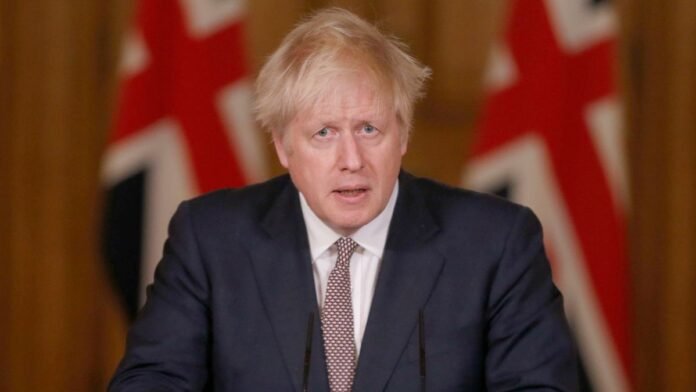
The scathing evaluation of Boris Johnson’s government as “toxic” by Baroness Hallett signals a damning assessment of his leadership during the crisis. The inquiry, initiated in 2022 with the broadest scope in British history, delved into a pandemic that incurred significant financial costs and numerous casualties, including the long-term effects of Long Covid.
While acknowledging that not all pandemic-related challenges can be attributed to Boris Johnson, the report underscores the imperative for governments to learn from the mistakes made during this crisis to better prepare for future pandemics predicted by scientists.
Baroness Hallett emphasized the importance of implementing fundamental changes to prevent a repeat of the devastating consequences witnessed during the Covid-19 pandemic. She highlighted the detrimental impact of a “toxic culture” within the government, led by Boris Johnson and his chief adviser Dominic Cummings, which contributed to rule-breaking and undermined public adherence to lockdown measures.
The report’s conclusion outlined the rapid spread of the Covid-19 virus globally, resulting in significant loss of life across the UK. The government’s failure to heed clear advice and address shortcomings in the test and trace system exacerbated the crisis, leading to preventable casualties.
The comprehensive 800-page report by the Covid-19 Inquiry scrutinized political decision-making during the pandemic, revealing that delayed government actions may have necessitated the first lockdown. The findings underscore the critical need for proactive measures and swift responses in future public health emergencies.