

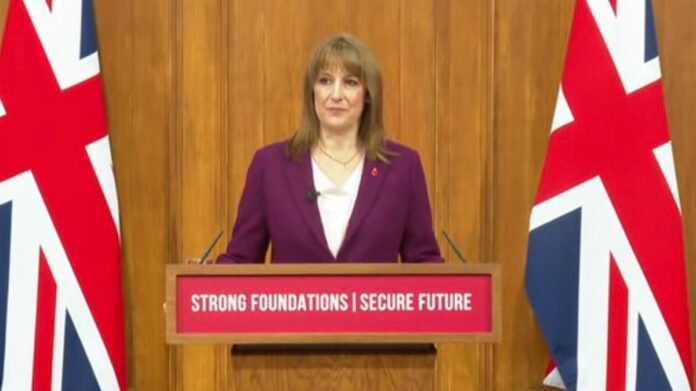

In a rare pre-Budget address, Rachel Reeves hinted at potential tax increases, emphasizing the need for collective action. Despite tough economic conditions, the Chancellor expressed reluctance to adhere to Labour’s pledge of no tax hikes. Reeves acknowledged the impact of the austerity measures imposed by the Tories, attributing it to a significant setback for the nation. She criticized the hurried and poorly thought-out Brexit deal, which adversely affected businesses seeking to trade.
Reeves stressed her commitment to transparency regarding the repercussions of policy choices, stating that her role as Chancellor is to prioritize what is right over what is popular. While ruling out further austerity measures, she outlined her upcoming budget focus on reducing NHS waiting times and alleviating the financial burden on struggling citizens.
Emphasizing the necessity of safeguarding families from inflation and high interest rates, Reeves underlined the importance of maintaining public services and managing debt responsibly for future generations. She called for a collective effort to ensure the country’s security and prosperity.
When questioned about Labour’s tax promises, Reeves deferred policy specifics to the Budget announcement, clarifying that her speech aimed to set the context for the upcoming fiscal decisions. Addressing speculations about income tax increases, she emphasized the government’s responsibility to make the right choices for the nation’s financial well-being.
Rachel Reeves also highlighted the challenges faced by the previous administration due to austerity measures and pledged a focus on enhancing living standards. Various stakeholders, including TUC General Secretary Paul Nowak and UNISON General Secretary Christina McAnea, supported the need for fair tax policies and increased investments in essential services.
However, Conservative leader Kemi Badenoch criticized Reeves for deflecting accountability and accused her of abandoning fiscal prudence. Badenoch raised concerns about escalating taxes and the government’s financial management.
The discourse surrounding potential tax adjustments and economic strategies continues as the country navigates through fiscal challenges and strives for sustained growth and stability.