

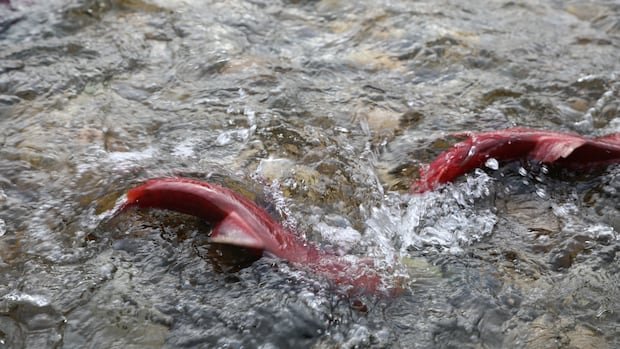

British Columbia has lifted a temporary protection order on the Salmon River, impacting more than 450 water licenses, less than two weeks after its implementation. The order, enacted on July 28 due to drought conditions, aimed to conserve water to safeguard fish populations, specifically Chinook salmon. It affected 456 surface-water and groundwater licenses, restricting water use for various purposes such as irrigation of crops like hay, alfalfa, and forage corn, as well as for lawns, fairways, and certain industrial uses.
Despite voluntary conservation efforts, the Salmon River in the Interior region has consistently exhibited low streamflow, prompting the protection order. Water Minister Randene Neill stated that the order was necessary to protect Chinook salmon during the drought. However, farmers and ranchers opposed the order, arguing for access to the watershed, especially during heightened wildfire risks.
The federal government has noted that much of British Columbia is facing exceptional drought conditions. Jason Hwang, the chief program officer at the Pacific Salmon Foundation, highlighted the drying out of habitat areas for salmon in the southern Interior region due to low flow. Concerns were raised about the impact on adult Chinook salmon and the potential hindrance to their journey to spawning grounds due to warm water and low flows.
Hwang emphasized that the consequences of the current conditions could affect the salmon population in the Salmon River for years to come. While prioritizing the well-being of communities, he urged governments to continue protecting aquatic ecosystems. Kevin Boon, the general manager of the B.C. Cattlemen’s Association, emphasized the importance of irrigation not just for crops but also for creating green, wet buffers to mitigate wildfire risks.
Ranchers are carefully managing irrigation to balance water usage and ensure adequate flow for fish in the river. The focus remains on safeguarding human life and property while planning for future sustainability. Hwang stressed the need to optimize water storage, use, and efficiency to address the challenges posed by low river flows this year and in the future.