

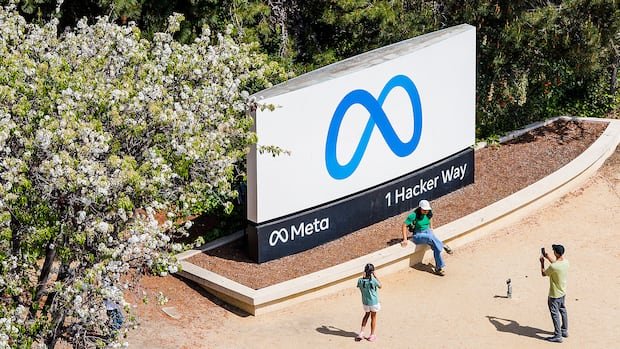

Meta Platforms CEO Mark Zuckerberg has advocated for reduced U.S. restrictions on open-source AI to enhance competition with Chinese counterparts. The company unveiled a new, compact model named Muse Glimmer, tailored for tasks on personal computers with a single graphics card, catering to the demand for AI systems operating directly on user devices. Zuckerberg hinted at the imminent release of larger models in a video accompanying a 14-page essay emphasizing the democratization of AI.
The surge in support for open-weight AI, allowing users to customize core components, has gained momentum amid concerns over escalating AI costs and recent cybersecurity breaches involving models from Anthropic, OpenAI, and Meta. Notably, Chinese open-weight models like Kimi K3 have spotlighted the benefits of open models, as closed models lack the flexibility and cost-effectiveness of their open counterparts.
Meta, along with industry giants like Nvidia, Microsoft, and Palantir, signed a recent open letter backing open-weight AI. While Chinese startups have excelled in developing open-weight models like Kimi K3 and Qwen3.8-Max, U.S. developers such as OpenAI and Google predominantly rely on closed models. Meta’s stock, which has experienced a 10% decline this year, saw a 3% premarket rise following the announcement.
In a bid to alleviate concerns, Meta plans to release Muse Spark 1.2, its cutting-edge model developed by a specialized team. The company, an early proponent of open models, shifted strategies after the lukewarm reception of Llama 4. Zuckerberg also disclosed a $1 billion fund to address community concerns regarding data center expansions, a contentious topic in the U.S. election landscape hindering Big Tech’s infrastructure development for AI.
Highlighting the necessity for policy reforms to bolster U.S. leadership in open-weight models, Zuckerberg stressed the importance of data use regulations and model distillation techniques. Meta aims to establish a governance framework empowering independent directors to approve model releases, essential for ensuring safety standards. The Trump administration’s recent decision not to subject open-weight AI models to voluntary safety tests poses additional challenges for U.S. developers.