

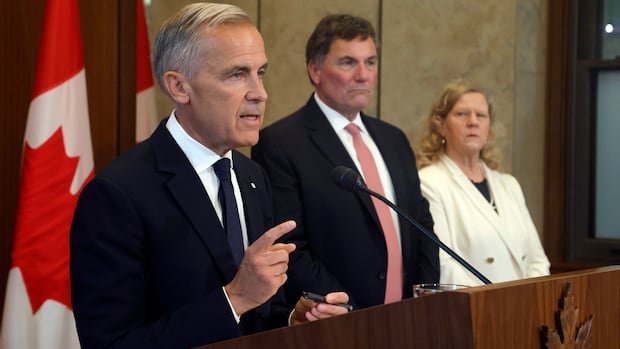

After a tumultuous week filled with drama and tension, Prime Minister Mark Carney addressed the public on Saturday morning to clarify the reasons behind rejecting a trade deal with the United States and the subsequent steps. Carney emphasized that Canada had engaged in diligent and sincere negotiations with the U.S. over the past year, demonstrating pragmatism and persistence in seeking a new trade agreement.
However, the situation took a sharp turn when last-minute changes proposed by American negotiators were deemed unfair, uneconomical, and raised doubts about the deal’s reliability. U.S. Trade Representative Jamieson Greer confirmed moments before midnight that Canada had chosen not to finalize the agreement.
Speculation had been rife regarding the public reception of the deal, with concerns raised by prominent figures like Steve Verheul and Chrystia Freeland about potential concessions made by Canada. The imposition of new tariffs by the U.S. is expected to have significant economic repercussions, potentially leading to the loss of up to 90,000 Canadian jobs, as predicted by economist Trevor Tombe.
The collapse of the trade talks has left both Canadian and American officials in a precarious position, facing uncertainties about future negotiations and potential consequences. The evolving dynamics of U.S. foreign policy, as highlighted by a senior administration official, underscore the changing landscape of international relations where traditional alliances and agreements are no longer guaranteed.
Looking ahead, Carney acknowledged the shifting nature of America’s approach to trade partnerships and emphasized the need for a fair and reliable economic relationship. Despite the setback, efforts to maintain open communication and seek mutually beneficial agreements remain a priority for both countries.
As Canada navigates the aftermath of failed negotiations and prepares to implement counter-measures against U.S. tariffs, the path forward remains uncertain. Questions linger about potential retaliatory actions, the resumption of talks, and the terms of a potential agreement. While the sentiment of “no deal is better than a bad deal” prevails, the challenges of navigating this complex trade landscape persist for both nations.