

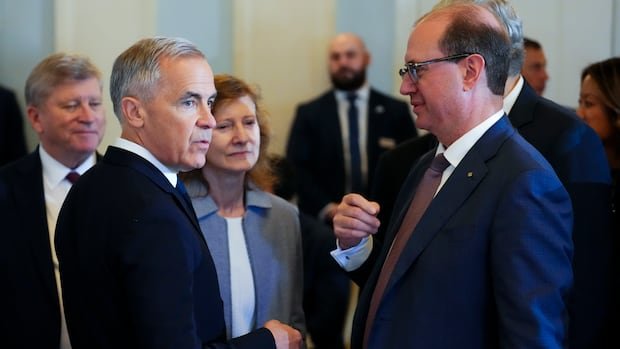

Canada’s envoy to the United States emphasized the necessity of reintroducing American alcohol to Canadian markets as a prerequisite for finalizing a trade deal and avoiding potential new tariffs, as revealed in a virtual meeting on Thursday. Mark Wiseman discussed the ongoing trade negotiations with approximately 100 members of the Canada-U.S. trade council, which comprises various businesses, industry groups, and labor organizations.
In Washington, Canada’s negotiating team is engaged in critical discussions with the Trump administration to prevent the imposition of 50% tariffs on Canadian exports, with a looming deadline of midnight on Friday. Wiseman outlined a preliminary agreement aimed at averting the tariffs in his presentation, according to sources familiar with the call.
The potential deal involves reducing tariffs on steel, aluminum, and automobiles, as well as revising the allocation of dairy import licenses by the government. However, concerns were raised by former Canadian chief trade negotiator Steve Verheul regarding the trade-offs involved in the agreement. Verheul cautioned against conceding too much leverage to the U.S. in the long term and expressed reservations about accepting sectoral tariffs and making significant concessions.
The proposed agreement includes lowering steel and aluminum tariffs from 50% to 25% and reducing tariffs on Canadian-manufactured vehicles from 25% to 15%, with exemptions for American content. Notably, the Canadian auto sector’s request for an exemption from American tariffs on Canadian-made components was not granted, with the matter deferred to future CUSMA negotiations.
Verheul advised the council that Canada risks relinquishing its negotiating power prematurely and could face escalating demands from the U.S. in the future. He highlighted American industry support for duty-free trade under CUSMA and emphasized the need for Canada to resist accepting sectoral tariffs imposed by the Trump administration.
Furthermore, concerns were raised about the lack of consultation with affected industries and the insufficient briefing of provincial premiers on the negotiations. Industry sources expressed frustration over the disparity in information sharing, with U.S. industry stakeholders reportedly receiving more detailed briefings from the Trump administration.
Former deputy prime minister Chrystia Freeland, another adviser to the council, raised questions about the potential long-term implications of agreeing to tariffs and emphasized the challenge of reversing such decisions in the event of future changes in the U.S. administration.