

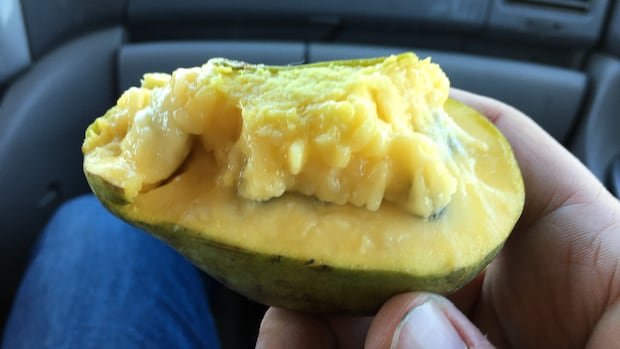

In Canada, the tropical-flavored pawpaw fruit is a hidden gem, according to chef Tawnya Brant of Yawékon Foods. Describing it as a blend of banana, mango, and pineapple with a creamy texture that turns caramel-like when ripe, Brant highlights its unique taste and appearance. Native to North America, pawpaws were historically cultivated by Indigenous communities but declined due to deforestation. Despite their short shelf life and susceptibility to bruising, pawpaws still grow in select regions like southern Ontario, British Columbia, and Quebec.
Chef Brant, a Mohawk from Six Nations of the Grand River, recalls her first encounter with pawpaws over a decade ago in her late mother’s garden. She learned about the fruit’s cultural significance, including how the Haudenosaunee transported pawpaw trees along the eastern seaboard. Thomas Mathias, a farmer in Ontario’s Niagara region, experimented for years to successfully grow pawpaws, using llama and horse manure to aid in pollination.
Thomas and his sister, Beth Secord, operate Mathias Farm, where they harvest pawpaws yielding around 250 to 300 pounds annually. Despite the fruit’s limited availability and delicate nature, the farm has seen a rise in demand, with customers returning for more. Beth envisions a future where pawpaw trees become a backyard staple for more people.
Pawpaws can be found at farmers’ markets and occasional festivals, offering a versatile ingredient for various dishes like salad dressings, sauces, and even cheesecakes. However, caution is advised as consuming the skin and seeds is toxic. Chef Brant, with hopes of expanding her own pawpaw harvest, sees the fruit as a rare seasonal delight worth sharing with others.