

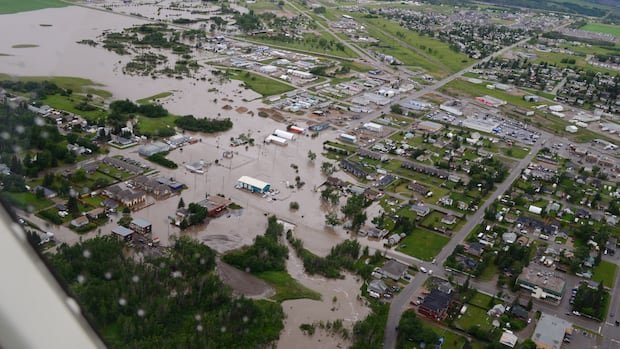

A recent study suggests that northeastern B.C. is likely to experience a warmer and wetter climate in the future, along with more extreme weather events. The region is expected to see temperatures increase by up to three degrees by the 2050s and five degrees by the 2080s. This could result in summers resembling those in the Okanagan and January feeling more like past March temperatures.
Researchers from the Fraser Basin Council conducted the study on behalf of local governments and Indigenous communities in the area, which has been impacted by significant natural disasters in recent years. The changing climate is anticipated to affect various aspects of community life, including infrastructure, water resources, and emergency preparedness for floods, wildfires, and evacuations.
Jim Vanderwal, a researcher involved in the study, emphasized the importance of communities planning for the future impacts of climate change rather than engaging in political debates. The report highlights the need for proactive measures to adapt to the anticipated changes.
In recent years, northeastern B.C. has faced challenges such as severe floods and wildfires, including the largest recorded wildfire in the province’s history. These events have had long-lasting effects on communities, requiring substantial recovery efforts.
Cities like Fort St. John have become havens for individuals fleeing wildfires, placing increased demands on local resources and volunteers. The city’s chief administrative officer, Milo MacDonald, acknowledges the growing impact of warmer weather on city operations, particularly the strain on infrastructure due to more frequent freeze-thaw cycles in winter.
The study also predicts extended growing seasons and more intense heatwaves in summers, leading to decreased snowfall and increased rainfall in spring and fall. This shift is likely to result in water scarcity issues, necessitating improved water management strategies and infrastructure upgrades to mitigate future challenges.
As the region prepares for continued climate changes, it is essential for communities to plan and adapt to ensure the resilience of their infrastructure and resources in the face of a changing climate landscape.