


THE LATEST:
- The B.C. Conservation Officer Service announced in a statement that on August 14, they killed the mother grizzly bear to protect public safety after it displayed food-conditioned behavior and a lack of fear towards humans.
- According to the service, the two surviving yearlings were moved to a private location for continued observation.
- The service informed CBC News that no representatives were available for comment.
On Thursday, a protest was held in Nelson, B.C., against the decision made by the B.C. Conservation Officer Service to euthanize a young grizzly bear.
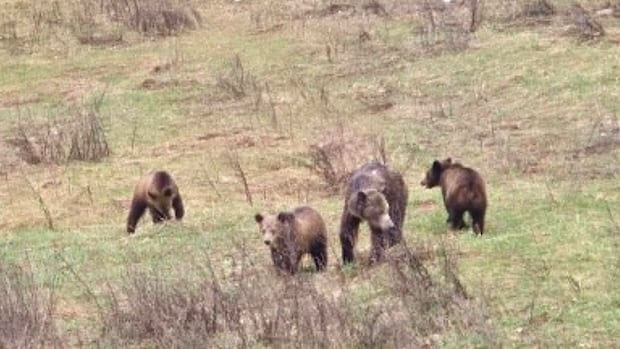
This bear was part of one of two grizzly families that have gained significant attention as they roam around Nelson.
Katie Graves, the founder of the non-profit Ursa Project Society, remarked, “There were many tears and numerous hugs during the rally.”
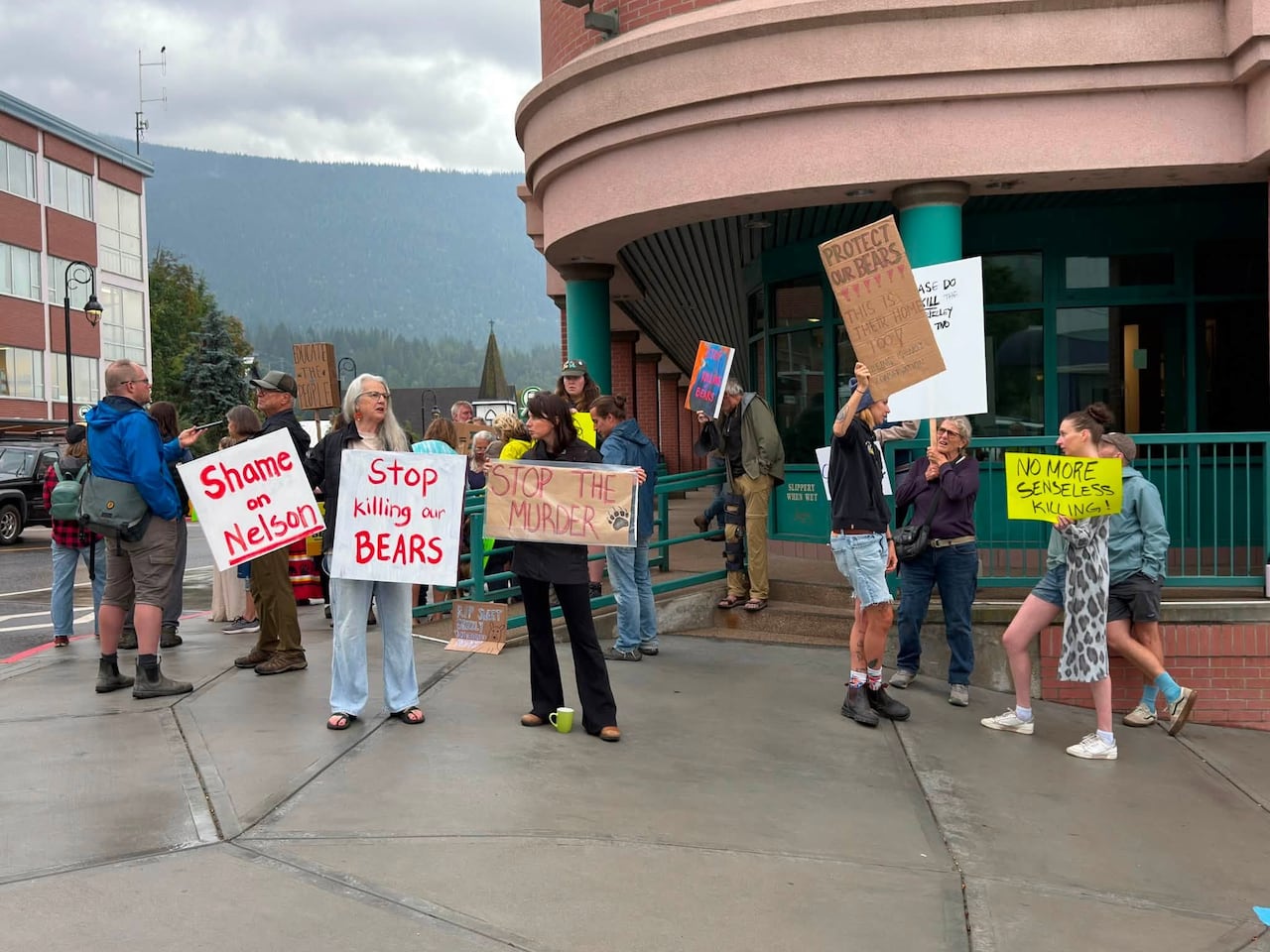
Community members gathered on Thursday after a young grizzly bear with a leg injury or deformity was killed by conservation officers, according to the Ursa Project Society. (Bix Burkhart/The Ursa Project Society)
Graves expressed that the yearling, which had either a leg deformity or injury, should not have been euthanized.
She noted that the bear was mobile, kept pace with its family, and was able to find food.
“As it grew older, you could observe it running. It would run very fast, even though it primarily ran on three legs,” she stated.
“Many bears in the wild, which we refer to as tripods, live full and healthy lives.”
In a statement released on Wednesday, the B.C. Conservation Officer Service (BCCOS) declared that the bear’s age, injury, and previous conflicts rendered it unsuitable for rehabilitation or relocation, though they did not elaborate on the nature of those conflicts.
“It is regrettable when an injured, sick, or conflict bear must be humanely put down,” the BCCOS remarked. “These decisions are made with great care.”
Graves mentioned that the mother bear had brought her cubs to the area in 2023, was relocated, and returned soon thereafter.
The Conservation Service has not responded to inquiries about the status of the other grizzlies—a sow and two yearlings—but indicated that any captured bear would be evaluated for further action.
This situation has triggered countless comments in local Facebook groups, with most expressing disapproval of the decision to kill the grizzly.
Several individuals acknowledged that conservation officers aim to protect the public and do not wish to resort to shooting bears.
There was a shared consensus that residents could improve efforts to secure their trash and maintain distance from bears.
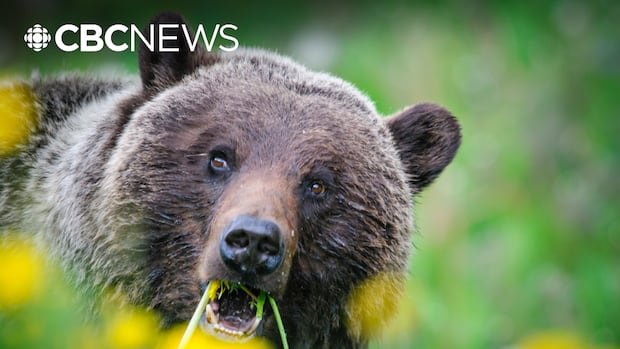
Wildlife biologist Clayton Lamb stated that stronger policies are necessary from the province and municipalities to mitigate attractants and prevent further bear fatalities.
“Essentially, we, as residents of these mountainous regions, sometimes attract bears into our towns… whether it’s due to unsecured garbage, unpicked fruit, or unprotected chickens,” he explained.
“The goal is to minimize the attractions that these communities present and reduce conflicts before they arise.”
Lamb highlighted that once a bear is accustomed to human presence or food-conditioned, rehabilitating and relocating it becomes quite difficult, especially when they are at ease in urban areas.
“Ultimately, she remains a grizzly bear. Her cubs are grizzly bears too, and the instinct to protect their young and defend their territory is inherent in their nature.”
He emphasized that managing attractants is vital to ensuring that more grizzly bear families do not enter urban areas in the future.
The City of Nelson released a statement on Thursday affirming its commitment to preventing conflicts and maintaining the wild nature of bears. This includes the installation of bear-resistant trash bins and the provision of public education initiatives.
Additionally, the city indicated that bylaw enforcement is actively ensuring compliance with waste and wildlife attractant regulations, addressing any unsecured trash and unmanaged compost as needed.
Tag: rewrite-pending