

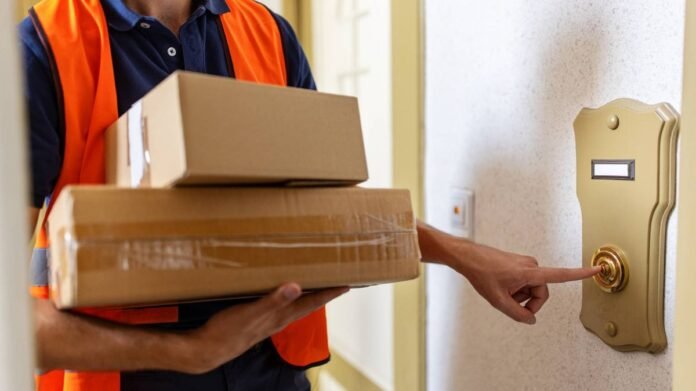

There are several common frustrations experienced by people in the UK, including issues with potholes, bin collections, self-service checkouts, and chatbots. However, one topic that consistently arises in conversations across the country is the reliability of package delivery services. Instances of parcels being mishandled, misdelivered, or even lost have led to widespread dissatisfaction among consumers.
As we approach the peak season for online shopping, it is essential to understand your rights regarding package deliveries to ensure you are well-informed. In case your parcel is damaged, missing, or lost, the first step is to contact the retailer from whom you made the purchase, rather than the courier company.
When you make a purchase, your contract is primarily with the retailer, who is responsible for delivering the goods as described and addressing any issues such as refunds or replacements. While the onus is on the retailer, persistent poor service from the delivery company can impact the retailer’s reputation and bottom line, prompting them to take action.
Retailers have various options when dealing with lost or damaged packages, including offering replacements or issuing refunds. They are also expected to handle the tracking process with the courier, sparing customers the hassle of tracking down their parcels.
In the past, some online retailers may have been reluctant to address issues with lower-value items, but as fraudulent activities have increased, they are becoming more stringent in requiring damaged items to be returned through designated channels.
Despite legal protections such as the Consumer Rights Act and Consumer Contract Regulations, there are instances where retailers may misinterpret or disregard consumer rights. It is crucial for consumers to assert their rights, especially regarding delivery mishaps.
One common source of contention is parcels being left in designated “safe spaces” without explicit authorization. Delivery companies should prioritize handing parcels directly to recipients unless alternative instructions have been specified. It is advisable for consumers to review and confirm delivery instructions before finalizing their purchases to avoid any miscommunications.
Issues with proof of delivery, including fake signatures or questionable photos, have become more prevalent in recent years. Consumers are encouraged to challenge such discrepancies and request additional evidence to validate delivery claims.
While contacting courier companies for assistance can be frustrating, regulatory bodies like Ofcom have introduced guidelines to ensure easier communication with delivery firms. However, there is still a need for improved complaint resolution mechanisms within the parcel delivery industry.
Furthermore, concerns have emerged regarding transactions on online marketplaces like eBay, especially in cases involving returns and disputes over goods. Both buyers and sellers should adhere to the platforms’ policies and document the shipping process meticulously to prevent misunderstandings or fraud.
In conclusion, while challenges with package deliveries persist, consumers can protect their rights by proactively engaging with retailers, understanding their contractual obligations, and advocating for fair treatment in online transactions.