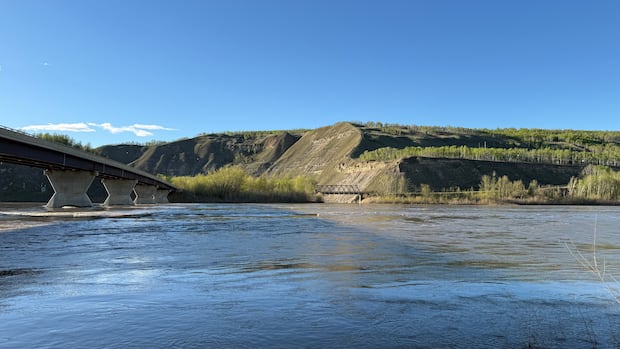

Officials in northeastern British Columbia are advocating for the establishment of a new fund to provide compensation for local communities if the province proceeds with the proposed fourth hydroelectric dam on the Peace River.
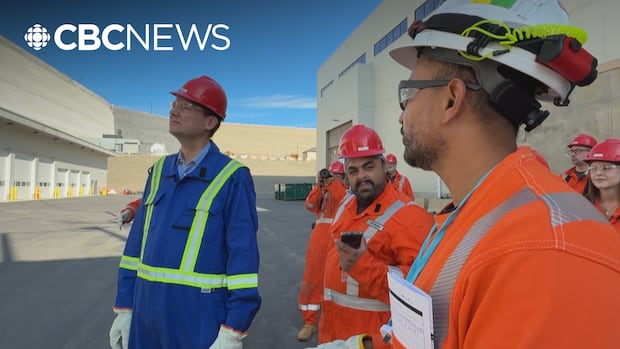
On Thursday, B.C. Hydro conducted its initial public briefing regarding Site E, situated near the Alberta border, just north of Dawson Creek.
If the project receives approval, board chair Brad Sperling warns that the dam would significantly alter the river system in B.C., potentially flooding residences, agricultural land, public parks, and infrastructure such as bridges, while also impacting local water supplies.
“The Peace River will no longer exist,” Sperling stated. “It will be reservoirs stretching from here to Finlay Bay.”
B.C. Hydro asserts that significant new sources of reliable power are essential to accommodate a predicted 50 percent rise in energy demand by 2050, primarily due to industrial expansion.
However, Sperling contends that years of energy development, including the three existing dams on the Peace River and the ongoing establishment of large wind farms, have already caused enduring effects.
-
Revisiting the Site E dam proposal draws pushback in northeastern B.C.
-
Leaders in northeast B.C. push back against province’s plan to fast track new wind farms
He argues that the area merits a compensation fund similar to the Columbia Basin Trust, which was created in 1995 to support communities affected by dams on the Columbia River.
Currently, this trust holds assets exceeding $1.2 billion, based on recent reports.
“This is being done at the expense of the northeast,” Sperling remarked. “The energy produced in this region has not yielded the proper economic advantages for us.”
Legislative changes needed
Currently, the Clean Energy Act prohibits the construction of Site E, as well as another hydro project proposed for the Homathko River in the Coast Mountains.
Nonetheless, B.C. Hydro officials indicated on Thursday that they anticipate the provincial government will amend legislation to permit geotechnical and environmental evaluations of both locations.
“They would still be barred from construction, but this would allow us to conduct investigations,” explained Julia Balabanowicz, B.C. Hydro’s director of government relations.
“To progress in four or five years, they would need to contemplate further legislative changes to facilitate the project’s advancement.”
-
B.C. Hydro says Site C has cost $14.9B to date as construction winds down
-
B.C. announces 1st battery energy storage project, to be housed on Vancouver Island
Balabanowicz mentioned that the two hydroelectric projects are part of a broader array of options being examined to fulfill future energy requirements, which also includes utility-scale battery initiatives.
B.C. Hydro anticipates spending as much as $12 million on preliminary assessments for both projects.
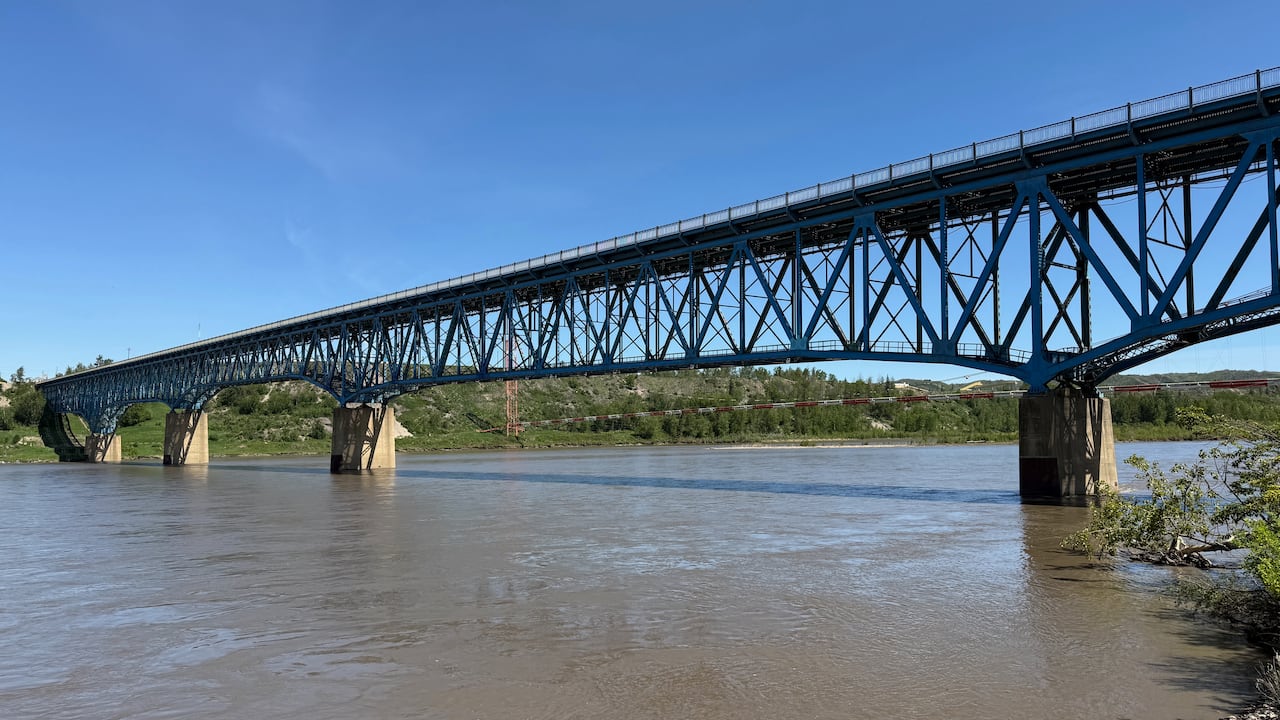
The Taylor Bridge spanning the Peace River in northeastern B.C. The province is currently evaluating a replacement for the 66-year-old structure, which would be submerged by the reservoir of the proposed Site E dam. (Tom Summer/CBC)
Residents feel exhausted, mayor says
Other regional directors highlighted the necessity for long-term compensation.
Pouce Coupe Mayor Danielle Veach expressed concerns that new energy projects are creating an “agricultural squeeze” in the area, which is already grappling with some of the most significant capital and infrastructure management challenges in the province.
“The province keeps coming to us, expecting us to continue sacrificing land and resources,” Veach remarked. “What I’m hearing from residents is that they feel drained and exploited, and that their voices are not being acknowledged.”
-
Audio
Calls intensify to replace the Taylor Bridge that connects Fort St. John and Dawson Creek
-
Dawson Creek water pipeline could cost up to $272M to build, new estimates show
Dawson Creek Mayor Darcy Dober stated that his city is assessing how to finance a potential new water supply from the section of the Peace River that would be inundated, a project likely to cost hundreds of millions.
“This could represent a significant legacy component for a project of this nature,” Dober commented. “The expense for us to manage it far exceeds what we could impose on our residents.”
Other directors have suggested that the province should investigate alternative solutions to satisfy energy needs, such as nuclear and natural gas.
“We’re observing the development of nuclear power in other provinces. It’s not a trend that will diminish,” remarked Hudson’s Hope Mayor Travous Quibell, advocating for a reevaluation of B.C.’s ban on nuclear energy.
Subscribe to CBC’s Fort St. John Weekly for a roundup of the best news and stories from B.C.’s Peace and Northern Rockies.