

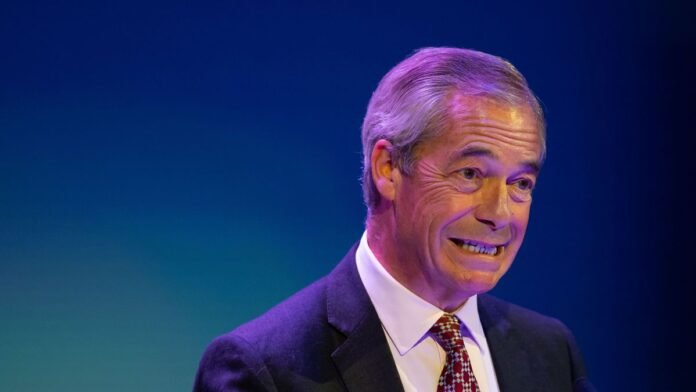

Wild and unfounded assertions regarding climate change made by Nigel Farage of the Reform party have been refuted in the recent Giga Poll. The survey revealed that a majority of respondents, two-thirds to be exact, believe that global warming is caused by human activities, debunking Farage’s outlandish claims. Concerns about the climate crisis impacting future generations were also evident, with six out of ten participants expressing worry about the threat to their families’ well-being.
Despite the public’s acknowledgment of the importance of achieving Net Zero by 2050, there remains a divide on the economic feasibility of this goal. While 51% of those surveyed view reaching Net Zero as crucial for the planet, almost half of the voters consider it too costly and advocate for scaling back the ambitious climate targets. This divergence in opinion is partly attributed to the influence of conservative media outlets promoting the notion that Net Zero initiatives are detrimental to the economy.
Dale Vince, the founder of Ecotricity and a vocal advocate for sustainable energy solutions, spearheaded the Giga Poll. He proposes a straightforward solution to lower energy costs and assist Labour in achieving its objective of reducing energy bills by £300 by 2030. Vince suggests breaking the connection between the prices of eco-friendly energy and volatile international gas prices, a move that could lead to substantial savings for households and businesses.
The implications of maintaining the current pricing structure, which ties green energy costs to gas prices, are significant. In 2023 alone, the UK incurred a staggering £43 billion in additional expenses due to this linkage, with £30 billion impacting businesses and £13 billion burdening households. The potential savings for an average household could reach nearly £400, highlighting the financial benefits of transitioning to more sustainable energy sources.
Challenges persist not only for individual households grappling with soaring energy expenses but also for industries like British Steel, which are grappling with the repercussions of escalating energy costs. The narrative propagated by individuals such as Nigel Farage, blaming Net Zero policies for the decline of industries like steel, is misleading. In reality, it is the reliance on fossil fuels that drives up energy costs in the UK, posing a substantial economic burden.
The urgency of addressing climate change is underscored by the detrimental effects of continued inaction. Embracing renewable technologies and transitioning to eco-friendly practices offer a path towards a sustainable future. Investing in green technologies not only mitigates the climate crisis but also presents substantial economic opportunities, as highlighted by the Confederation of British Industry’s projections of significant GDP boosts through green growth initiatives.
In the face of opposition from parties like Reform advocating against Net Zero strategies, it is imperative for Labour to champion the benefits of a green economy. The potential for job creation, reduced energy costs, and environmental preservation make transitioning to sustainable practices a compelling proposition. Upholding the principles of truth and science, and rejecting misinformation and vested interests, is essential in steering towards a future characterized by environmental sustainability and economic prosperity.